For decades, burgers have remained one of the world’s most popular comfort foods. From neighborhood diners and family-owned restaurants to premium burger establishments and gourmet kitchens, the humble burger has evolved into a culinary icon enjoyed by millions every day. Yet despite its widespread popularity, one factor continues to separate an ordinary burger from an exceptional one—the cooking method.
While ingredients certainly matter, the way a burger is prepared has a profound influence on its flavor, texture, aroma, appearance, and overall eating experience. Among the many cooking techniques available today, char-broiling has consistently earned recognition from chefs and food enthusiasts for producing burgers with deeper flavor, better texture, and a distinctive smoky character that simply cannot be replicated through conventional frying.
Many diners notice the difference immediately.
The first bite of a char-broiled burger often delivers a rich combination of caramelized crust, juicy interior, subtle smokiness, and balanced texture that feels both hearty and satisfying. Fried burgers, while popular in their own right, typically offer a different experience shaped primarily by direct contact with a flat cooking surface and rendered fats. Neither method is inherently right or wrong, but understanding how each technique works explains why so many people prefer the unmistakable flavor created by open-flame grilling.
The secret begins with heat.
Char-broiling uses high-temperature radiant heat generated from an open flame positioned beneath metal grates. Rather than cooking entirely through direct contact with a solid surface, the burger is exposed to intense heat circulating around the meat while flames interact with natural juices and rendered fats. As droplets fall onto the heat source below, they vaporize and rise back toward the burger as aromatic smoke, naturally enhancing its flavor throughout the cooking process.
This process creates one of the defining characteristics of char-broiled cooking—the unmistakable grilled aroma that people often associate with backyard barbecues, premium steakhouses, and handcrafted burgers. Instead of relying on artificial smoke flavorings or heavy seasonings, the cooking method itself contributes complex layers of taste that develop naturally during preparation.
Quick Answer
Char-broiled burgers often taste better than fried burgers because open-flame cooking creates a flavorful caramelized crust while allowing excess fat to drip away from the meat. The interaction between high heat, natural juices, and rising smoke enhances aroma, texture, and overall flavor without overwhelming the quality of the beef. Combined with fresh ingredients and proper cooking techniques, char-broiling produces burgers that many diners describe as richer, juicier, and more balanced than burgers cooked exclusively on a flat-top grill or frying surface.
Another important factor is moisture retention.
One common misconception is that high temperatures automatically dry out meat. In reality, when char-broiling is performed correctly, the intense initial heat rapidly sears the outer surface of the burger while allowing the interior to remain tender and juicy. The exterior develops a beautifully browned crust, while the inside continues cooking more gradually, preserving much of the burger’s natural moisture.
This balance between texture and juiciness is one reason handcrafted char-broiled burgers feel more satisfying. Every bite offers contrast between the lightly crisp exterior and the succulent center, creating a more dynamic eating experience than burgers cooked entirely against a flat metal surface.
Equally important is the quality of the meat itself.
No cooking method can compensate for poor-quality ingredients. Restaurants committed to handcrafted burgers often begin with fresh beef rather than heavily processed or excessively frozen alternatives. Freshly prepared patties maintain a more natural texture while allowing the flavor of the beef to remain the primary focus. When combined with open-flame cooking, this approach creates burgers that require fewer artificial enhancements because the ingredients and preparation methods already provide remarkable depth of flavor.
The following table compares the two cooking methods.
| Feature | Char-Broiled Burgers | Fried Burgers |
| Primary Heat Source | Open flame and radiant heat | Flat-top grill or frying surface |
| Flavor Profile | Smoky, grilled, naturally caramelized | Rich, savory, heavily seared |
| Texture | Crisp exterior with juicy center | Uniform crust across contact surface |
| Fat Management | Excess fat drips away during cooking | Fat remains primarily on the cooking surface |
| Cooking Experience | Flame-kissed aroma and grilled character | Classic diner-style flavor |
Another fascinating aspect of char-broiling involves the relationship between fire and flavor.
As natural fats render during cooking, tiny droplets fall onto the hot burners below the grill grates. These droplets instantly vaporize, producing aromatic compounds that rise around the burger. This gentle infusion of smoky flavor becomes part of the cooking process itself rather than something artificially added afterward. It is one of the reasons burgers cooked over an open flame possess a distinctive character that many people immediately recognize.
Fresh toppings also play an important supporting role.
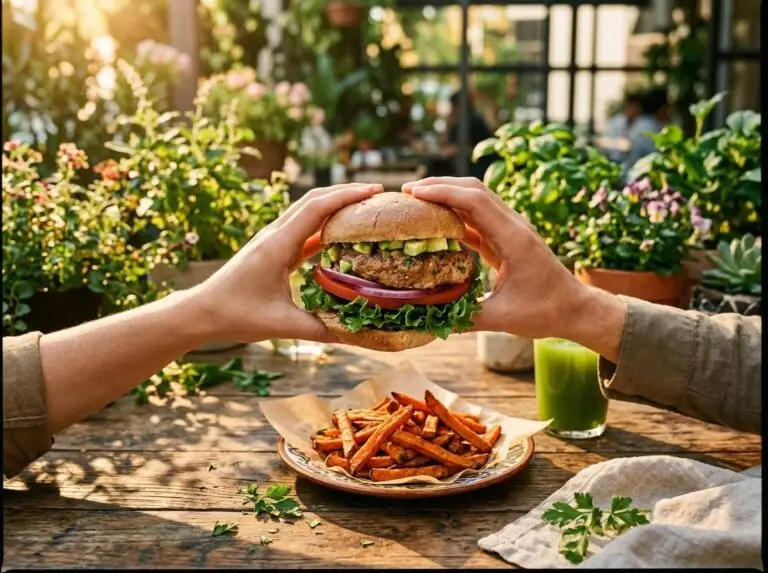
A well-crafted char-broiled burger is designed around balance. Crisp lettuce, vine-ripened tomatoes, onions, pickles, premium cheeses, fresh avocado, mushrooms, artisan buns, and thoughtfully prepared sauces should complement the grilled beef rather than compete with it. Every ingredient contributes texture and freshness while allowing the burger itself to remain the centerpiece of the meal.
At restaurants that prioritize quality, burgers are prepared to order rather than sitting under warming equipment for extended periods. This approach ensures that guests receive a burger at its peak—hot from the grill, perfectly assembled, and served while the contrast between the caramelized exterior and juicy interior remains at its best.
For restaurants such as Jubilee Juice & Grill, char-broiling is more than simply a cooking technique. It reflects a broader philosophy centered on preparing fresh food with care while delivering bold flavor through craftsmanship instead of unnecessary processing. By combining open-flame cooking with fresh ingredients, handcrafted preparation, and made-to-order service, the result is a burger experience that feels authentic, satisfying, and consistently flavorful.
Throughout the remainder of this guide, we’ll explore the food science behind char-broiling, explain the role of the Maillard reaction in creating flavor, compare char-broiled and fried burgers in greater detail, examine why fresh ingredients matter, and discuss how thoughtful cooking techniques transform a simple burger into one of the world’s most enduring comfort foods.
The Science Behind Char-Broiling: How Fire Creates Better Flavor
The difference between a memorable burger and an ordinary one often begins long before the first bite. While premium beef, fresh toppings, and artisan buns all contribute to the final product, the cooking method plays an equally important role in determining flavor, texture, aroma, and overall quality. Among the various techniques used by restaurants today, char-broiling has remained one of the most respected because it combines high heat, open flames, and natural cooking processes to produce burgers with exceptional depth of flavor. Rather than relying on excessive oils or artificial enhancements, char-broiling allows the ingredients themselves to shine through carefully controlled heat and expert preparation.
One of the primary reasons char-broiled burgers develop such distinctive flavor is a natural chemical process known as the Maillard Reaction.
Although the name may sound technical, nearly everyone has experienced its results countless times. Whenever bread develops a golden crust, steaks become beautifully browned, roasted vegetables caramelize, or burgers form their flavorful exterior, the Maillard Reaction is taking place. During this process, proteins and natural sugars within the food react under high temperatures, creating hundreds of complex flavor and aroma compounds that simply do not exist before cooking.
For burgers, this reaction is especially important.
As fresh beef meets the intense heat of an open-flame char-broiler, the outer surface rapidly begins browning while developing the rich savory flavors commonly associated with premium grilled meat. Instead of tasting simply “cooked,” the burger acquires layers of roasted, nutty, smoky, and caramelized notes that create a much more satisfying eating experience. This transformation occurs naturally without requiring artificial flavorings or excessive seasoning.
The type of heat used during char-broiling also contributes significantly to the final result.
Unlike flat-top cooking surfaces where the burger remains in constant contact with hot metal, char-broiling surrounds the meat with radiant heat while allowing direct exposure to open flames beneath the grill grates. Heat circulates around the burger more evenly, helping develop a flavorful crust while preserving moisture inside. At the same time, excess fat naturally drips away from the meat instead of accumulating around it during cooking.
As these natural juices fall onto the heat source below, another important process begins.
The dripping fat instantly vaporizes upon contacting the extremely hot burners or lava rocks beneath the grill. This creates aromatic smoke that rises around the burger, lightly infusing the meat with the unmistakable grilled flavor people associate with outdoor barbecues and premium steakhouses. Rather than adding smoke after cooking, char-broiling creates this flavor as part of the cooking process itself.
This combination of caramelization and natural smoke is one of the defining characteristics that separates char-broiled burgers from many other preparation methods.
The following table explains several scientific processes that occur during char-broiling.
| Scientific Process | What Happens During Cooking | How It Improves the Burger |
| Maillard Reaction | Proteins and natural sugars brown under high heat | Creates deep, savory, caramelized flavor |
| Radiant Heat Cooking | Heat surrounds the burger from multiple directions | Promotes even cooking while preserving juiciness |
| Natural Smoke Infusion | Dripping juices create aromatic smoke | Adds authentic grilled flavor without artificial additives |
| Fat Rendering | Excess fat melts away during cooking | Helps produce a cleaner, balanced taste |
| Surface Caramelization | Exterior develops a flavorful crust | Creates contrast between crispy outside and juicy center |
Fresh ingredients make these scientific processes even more effective.
When restaurants begin with freshly prepared beef rather than heavily processed alternatives, the natural proteins, moisture, and texture respond much better to high-temperature grilling. Fresh beef forms a more attractive crust, retains juiciness more effectively, and allows the natural flavor of the meat to remain the primary focus. This is one reason many handcrafted burger restaurants prioritize fresh ingredients before discussing cooking techniques.
Seasoning also benefits from char-broiling.
Rather than depending on heavy sauces to create flavor, many char-broiled burgers require only simple seasonings such as salt, pepper, herbs, or carefully balanced spice blends. The open flame, caramelization, and natural smoke contribute so much flavor during cooking that additional enhancements become supporting elements rather than necessities. This creates burgers that taste balanced instead of overwhelming.
Texture is another area where char-broiling excels.
Every great burger offers contrast. The exterior should provide a lightly crisp, caramelized bite while the interior remains moist and tender. Open-flame cooking naturally produces this balance because the intense heat quickly browns the outside before the center overcooks. When timing and temperature are carefully managed, the result is a burger that feels both substantial and remarkably juicy.
The following table compares how different cooking methods influence the final burger.
| Cooking Characteristic | Char-Broiled Burgers | Flat-Top Fried Burgers |
| Flavor Development | Smoky, flame-grilled, naturally caramelized | Rich seared flavor with less smokiness |
| Heat Source | Open flame and radiant heat | Direct metal surface |
| Fat Handling | Excess fat drips away during cooking | Fat remains on the cooking surface |
| Exterior Texture | Lightly crisp with grill marks | Even crust across the contact surface |
| Overall Eating Experience | Bold, fresh, smoky, and balanced | Rich, classic diner-style flavor |
Another advantage of char-broiling is consistency.
Professional char-broilers are designed to maintain stable cooking temperatures, allowing experienced kitchen teams to prepare burgers with reliable quality throughout the day. Consistent heat helps produce the same flavorful crust, juicy interior, and attractive presentation regardless of whether a restaurant is serving lunch, dinner, or late-night guests. For customers, this consistency builds confidence because every visit delivers the experience they expect.
At Jubilee Juice & Grill, char-broiling represents more than a cooking method—it reflects the restaurant’s commitment to handcrafted preparation, fresh ingredients, and made-to-order quality. Rather than relying on shortcuts, the focus remains on allowing premium ingredients and open-flame cooking to create naturally satisfying flavor. Combined with fresh toppings, carefully selected buns, and thoughtful preparation, each burger reflects the philosophy that great food begins with quality ingredients and ends with expert craftsmanship.
Understanding the science behind char-broiling reveals why this cooking method has remained a favorite for generations. Fire, heat, caramelization, and natural smoke work together to transform simple ingredients into burgers with remarkable flavor, inviting aroma, and satisfying texture. When paired with fresh beef and careful preparation, char-broiling demonstrates that exceptional burgers are not created through complexity, but through mastering the timeless relationship between quality ingredients and open-flame cooking.
Char-Broiled vs. Fried Burgers: Which Cooking Method Is Better?
When people order a burger, they often focus on the toppings, cheese, sauces, or side dishes. While these ingredients certainly contribute to the overall experience, one of the biggest factors influencing flavor, texture, aroma, and even nutritional perception is the cooking method itself. Two of the most common techniques used by restaurants are char-broiling and flat-top frying. Both have passionate supporters, both can produce excellent burgers when executed properly, and both occupy an important place within American food culture. However, understanding how these cooking methods differ helps explain why char-broiled burgers continue to be the preferred choice for diners seeking bold flavor, handcrafted quality, and a fresh-off-the-grill experience.
The first and most noticeable difference is how heat interacts with the meat.
Char-broiling relies on radiant heat and open flames beneath metal grates. The burger cooks while suspended above the heat source, allowing flames and hot air to circulate around the patty. This creates a beautifully caramelized exterior while preserving moisture inside. At the same time, natural juices and rendered fats drip onto the burners below, generating flavorful smoke that rises back toward the burger and enhances its aroma throughout the cooking process.
Flat-top frying follows a different approach.
Instead of being exposed to open flames, the burger cooks directly on a heated steel cooking surface. Every part of the patty remains in contact with the hot metal, producing an even crust across the exterior. As fat renders during cooking, much of it remains on the grill surface, allowing the burger to continue cooking within its own juices. This creates the rich, savory flavor many people associate with classic American diner burgers.
Neither cooking method should be viewed as universally superior.
Instead, they create different culinary experiences.
Char-broiling emphasizes natural smoke, open-flame flavor, balanced texture, and a cleaner grilled profile.
Flat-top cooking emphasizes deep browning, continuous surface caramelization, and a richer seared character.
The following comparison illustrates these differences.
| Feature | Char-Broiled Burgers | Flat-Top Fried Burgers |
| Cooking Method | Open flame and radiant heat | Direct contact with hot steel surface |
| Signature Flavor | Smoky, flame-grilled, fresh | Rich, deeply seared, buttery |
| Exterior | Grill marks with caramelized crust | Uniform golden-brown crust |
| Interior | Juicy with balanced texture | Moist with continuous surface searing |
| Fat Handling | Excess fat naturally drains away | Fat remains on cooking surface |
| Aroma | Natural smoke from open flames | Rich roasted beef aroma |
| Dining Style | Fresh-off-the-grill experience | Traditional diner-style comfort food |
One area where char-broiling consistently stands out is aroma.
Our sense of taste is closely connected to our sense of smell. Before taking the first bite, diners already begin evaluating a burger through its aroma. As juices vaporize over open flames, char-broiled burgers develop the unmistakable grilled fragrance associated with backyard cookouts and premium barbecue restaurants. This aromatic complexity becomes part of the overall dining experience long before the burger reaches the table.
Freshness also becomes more noticeable during char-broiling.
Restaurants committed to open-flame cooking often prepare burgers to order rather than cooking large batches in advance. Every burger moves directly from the grill to the bun while retaining its heat, texture, and aroma. This made-to-order philosophy allows diners to enjoy the burger exactly as it was intended—fresh, hot, juicy, and immediately after leaving the grill.
Ingredient quality becomes increasingly important with char-broiling because there are fewer opportunities to hide imperfections.
Heavy sauces, excessive oils, or strong seasonings cannot compensate for poor-quality beef when open-flame cooking allows the meat itself to remain the centerpiece. High-quality fresh beef responds exceptionally well to intense radiant heat, developing natural sweetness and complex savory notes through caramelization. This is why many handcrafted burger restaurants emphasize sourcing quality ingredients before discussing toppings or condiments.
Fresh vegetables contribute another important layer.
Crisp lettuce, ripe tomatoes, sliced onions, pickles, mushrooms, avocado, artisan cheeses, and freshly baked buns complement the burger without overwhelming its grilled character. Every ingredient should enhance the balance between freshness and richness rather than masking the flavor developed through char-broiling.
The following table compares the overall dining experience each cooking method delivers.
| Dining Experience | Char-Broiled Burgers | Fried Burgers |
| Flavor Complexity | Smoky, layered, naturally grilled | Rich, hearty, traditional |
| Texture Balance | Crisp exterior with juicy center | Uniformly seared throughout |
| Freshness Perception | Strong emphasis on made-to-order preparation | Comfort-food style consistency |
| Ingredient Focus | Beef remains the hero of the burger | Surface caramelization becomes the defining feature |
| Customer Appeal | Diners seeking handcrafted grilled quality | Diners seeking classic diner-style burgers |
Another consideration is how these cooking methods align with changing consumer preferences.
Today’s diners increasingly value transparency, fresh ingredients, handcrafted preparation, and healthier perceptions without sacrificing flavor. While burgers remain an indulgence, many guests appreciate restaurants that prepare them using fresh beef, open-flame grilling, and made-to-order assembly rather than relying on heavily processed methods. Char-broiling naturally aligns with these expectations because the cooking process itself highlights ingredient quality rather than depending on excessive oils or elaborate preparation techniques.
This philosophy is central to the approach embraced by Jubilee Juice & Grill. The restaurant’s focus on handcrafted burgers, fresh ingredients, and open-flame char-broiling reflects a broader commitment to delivering satisfying meals that combine bold flavor with thoughtful preparation. Every burger is designed to showcase the quality of the beef, enhanced by carefully selected toppings and served fresh from the grill. Instead of allowing sauces or processing to dominate the experience, the emphasis remains on craftsmanship, freshness, and authentic grilled flavor.
Ultimately, the choice between char-broiled and fried burgers comes down to personal preference, but understanding the differences allows diners to appreciate what each method brings to the table. For those who enjoy bold smoky aromas, flame-kissed flavor, balanced texture, and handcrafted preparation, char-broiling continues to stand apart as one of the most respected cooking techniques in burger craftsmanship. It transforms simple ingredients into an experience defined not by complexity, but by the timeless combination of fire, fresh beef, and expert preparation.
Why Fresh Ingredients Make Every Char-Broiled Burger Better
While cooking technique plays a major role in creating an exceptional burger, even the most advanced char-broiler cannot compensate for poor-quality ingredients. The foundation of every great burger begins long before it reaches the grill. It starts with carefully selected beef, freshly prepared vegetables, quality bread, thoughtfully chosen cheeses, and ingredients that work together to create a balanced eating experience. When these fresh ingredients are paired with open-flame char-broiling, they produce burgers that stand apart not because of unnecessary complexity, but because every component contributes naturally to the final result.
Freshness has become increasingly important to today’s diners.
Consumers are more informed than ever about the food they eat. They pay closer attention to ingredient quality, sourcing, preparation methods, and nutritional value. While indulgence remains part of enjoying a burger, many customers also appreciate knowing their meal has been prepared using fresh ingredients instead of relying heavily on frozen, highly processed, or artificially enhanced products. This shift has encouraged many restaurants to rethink how burgers are prepared, placing greater emphasis on craftsmanship and ingredient integrity.
One of the most important ingredients is, naturally, the beef itself.
Fresh beef behaves differently during cooking than heavily processed alternatives. It retains a more natural texture, develops richer caramelization during grilling, and produces a juicier final product when cooked properly. Because the meat has not undergone extensive processing, its natural flavor remains the dominant characteristic rather than being overshadowed by preservatives or excessive seasoning. When exposed to the intense heat of a char-broiler, fresh beef develops the distinctive crust, aroma, and tenderness that burger enthusiasts often seek.
Fresh vegetables contribute far more than appearance.
Lettuce provides crispness that contrasts beautifully with the warm burger. Vine-ripened tomatoes introduce natural sweetness and moisture. Fresh onions add sharpness and texture, while pickles contribute acidity that balances the richness of the beef. Avocados bring creaminess, mushrooms offer earthy depth, and quality cheeses introduce smoothness without overwhelming the other ingredients. Every topping has a purpose, and together they create layers of flavor that make each bite feel complete.
Bread also deserves greater appreciation than it often receives.
A quality bun should support the burger without dominating it. Fresh artisan buns maintain enough structure to hold juicy ingredients while remaining soft enough to complement the texture of the meat. Slightly toasted buns add gentle crispness while helping prevent excess moisture from affecting the dining experience. When every ingredient is fresh, even the simplest burger feels significantly more refined.
The following table illustrates how individual ingredients influence the final burger experience.
| Fresh Ingredient | Contribution to Flavor and Quality |
| Fresh 100% Beef | Rich natural flavor, juicy texture, excellent caramelization |
| Crisp Lettuce | Freshness, crunch, and balance |
| Vine-Ripened Tomatoes | Sweetness, moisture, and vibrant flavor |
| Fresh Onions | Sharpness and aromatic complexity |
| Artisan Bun | Soft texture with structural support |
| Premium Cheese | Creamy richness that complements grilled beef |
| Fresh Avocado or Mushrooms | Additional texture and natural flavor depth |
Another reason fresh ingredients matter is consistency.
Restaurants that prioritize quality purchasing standards are able to deliver a more reliable dining experience. Customers know that every visit will provide vegetables at their peak freshness, burgers prepared from quality beef, and meals assembled only after ordering. This consistency builds long-term trust and encourages repeat visits because diners feel confident about what they will receive.
Fresh ingredients also allow simplicity to become a strength rather than a limitation.
Exceptional burgers rarely require excessive toppings or complicated recipes. When beef is flavorful, vegetables are crisp, buns are fresh, and grilling is performed correctly, the ingredients naturally complement one another. Instead of hiding behind heavy sauces or elaborate combinations, every component contributes its own character while allowing the burger itself to remain the centerpiece.
The cooking process further enhances these ingredients.
As the burger develops its caramelized crust over the open flame, fresh toppings provide contrast in temperature and texture. Warm grilled beef meets cool lettuce, juicy tomatoes, creamy cheese, crisp onions, and toasted bread, creating a balanced eating experience that feels satisfying from the first bite to the last. This harmony between fresh ingredients and expert cooking is what separates handcrafted burgers from meals built primarily around convenience.
The following table highlights how fresh ingredients compare with heavily processed alternatives.
| Quality Factor | Fresh Ingredients | Highly Processed Alternatives |
| Flavor | Natural and vibrant | Often relies on additives and artificial enhancement |
| Texture | Crisp, juicy, and balanced | Can become soft or uniform |
| Appearance | Bright colors and natural presentation | Less vibrant and less visually appealing |
| Cooking Performance | Responds well to open-flame grilling | May not caramelize as effectively |
| Customer Perception | Freshly prepared and handcrafted | More convenience-oriented |
At Jubilee Juice & Grill, the philosophy of using fresh ingredients extends beyond burgers alone. Whether preparing handcrafted burgers, char-broiled chicken, fresh salads, whole-fruit smoothies, or grilled sandwiches, the focus remains on quality ingredients prepared to order. This commitment aligns naturally with the restaurant’s broader mission of providing healthier fast-food alternatives without compromising flavor or satisfaction. Rather than choosing between convenience and quality, guests experience meals where both work together.
Ultimately, the best burgers are not defined by one ingredient or one cooking technique alone. They result from the careful combination of fresh beef, quality toppings, artisan bread, expert char-broiling, and thoughtful preparation. Every stage of the process contributes to the final experience, demonstrating that exceptional burgers are built through attention to detail rather than unnecessary complexity. When quality ingredients meet open-flame craftsmanship, the result is a burger that delivers bold flavor, satisfying texture, and the unmistakable taste of food prepared with care.
Frequently Asked Questions About Char-Broiled Burgers
1. What is a char-broiled burger?
A char-broiled burger is a burger cooked over an open flame using a commercial char-broiler rather than on a flat-top grill or frying pan. The burger sits on metal grates above the heat source, allowing radiant heat and open flames to cook the meat evenly while creating its signature grilled flavor. As natural juices and rendered fat drip onto the burners below, flavorful smoke rises back toward the burger, producing the rich aroma and slightly smoky taste that many people associate with authentic flame-grilled cooking. This cooking method emphasizes natural flavor rather than relying heavily on oils or artificial seasonings.
2. Why do char-broiled burgers taste different from fried burgers?
The difference comes primarily from how heat interacts with the meat. Char-broiling exposes burgers to open flames and radiant heat, creating caramelization while allowing natural smoke to enhance flavor during cooking. Fried burgers cook directly against a hot metal surface where the rendered fat remains in contact with the burger throughout much of the cooking process. Both methods create delicious results, but char-broiling develops a distinctive smoky aroma and flame-kissed flavor that many diners prefer when seeking a more traditional grilled burger experience.
3. What is the Maillard Reaction, and why is it important for burgers?
The Maillard Reaction is a natural chemical process that occurs when proteins and natural sugars are exposed to high temperatures. This reaction creates hundreds of new flavor and aroma compounds responsible for the rich, savory taste and beautifully browned crust found on grilled meats, roasted vegetables, and freshly baked bread. During char-broiling, the Maillard Reaction transforms the surface of the burger into a flavorful caramelized crust while preserving the juicy interior, making it one of the most important scientific processes behind exceptional burger flavor.
4. Are char-broiled burgers healthier than fried burgers?
The overall nutritional value of any burger depends on factors such as portion size, ingredients, toppings, and preparation methods. However, one advantage of char-broiling is that excess fat naturally drips away from the meat during cooking instead of remaining on the cooking surface. Many diners also appreciate that char-broiled burgers are prepared without requiring additional cooking oils, allowing the natural flavor of fresh beef to remain the primary focus. Pairing a char-broiled burger with fresh vegetables and balanced sides can contribute to a satisfying meal built around quality ingredients.
5. Why does fresh beef make such a noticeable difference?
Fresh beef responds exceptionally well to open-flame cooking because it retains its natural moisture, texture, and flavor. During char-broiling, fresh beef develops a rich caramelized crust while remaining juicy inside, creating the contrast that defines many handcrafted burgers. Because fresh beef requires fewer artificial enhancements, the natural characteristics of the meat remain at the center of the dining experience. High-quality ingredients allow the cooking method itself to showcase flavor rather than depending heavily on sauces or seasoning blends.
6. Why do restaurants prefer char-broiling for premium burgers?
Many restaurants choose char-broiling because it produces a flavor profile that customers immediately recognize and appreciate. The combination of open flames, natural smoke, and caramelization creates burgers with distinctive aroma, texture, and visual appeal. Char-broiling also reinforces the perception of handcrafted preparation because burgers are typically cooked fresh to order over the grill. For restaurants focused on ingredient quality and authentic grilling, char-broiling reflects both culinary tradition and customer expectations.
7. What toppings pair best with a char-broiled burger?
Fresh ingredients generally complement char-broiled burgers best because they balance the bold flavor developed during grilling. Crisp lettuce, vine-ripened tomatoes, fresh onions, pickles, premium cheeses, mushrooms, avocado, grilled onions, and artisan buns all enhance the burger without overwhelming its natural grilled character. The goal is to create harmony between the smoky flavor of the beef and the freshness of carefully selected toppings, allowing every ingredient to contribute to the overall experience.
8. Why does a char-broiled burger have a smoky aroma?
As burgers cook over open flames, natural juices and rendered fat fall onto the hot burners or heat source beneath the grill. These droplets instantly vaporize and produce aromatic smoke that rises around the burger while it continues cooking. This process naturally infuses the meat with subtle smoky flavors without requiring artificial smoke flavoring or additional ingredients. The result is one of the defining characteristics of char-broiled burgers—a rich aroma that begins building long before the first bite.
9. Can a char-broiled burger still be juicy?
Absolutely. When prepared correctly, char-broiling creates an excellent balance between a caramelized exterior and a moist, tender interior. The intense heat quickly browns the outside of the burger while preserving much of its natural moisture inside. Experienced cooks carefully monitor cooking temperatures and timing to ensure that burgers remain juicy while developing the flavorful crust associated with open-flame grilling. This balance is one of the reasons char-broiled burgers continue to be a favorite among burger enthusiasts.
10. Why do many customers choose Jubilee Juice & Grill for char-broiled burgers?
Jubilee Juice & Grill has built its reputation around preparing fresh, made-to-order meals that combine quality ingredients with expert open-flame cooking. Its handcrafted burgers are char-broiled to develop bold flavor while being paired with fresh toppings and carefully selected ingredients that complement the natural taste of the beef. This commitment to freshness, craftsmanship, and made-to-order preparation reflects the restaurant’s broader philosophy of serving satisfying meals that balance quality, flavor, and convenience, making it a trusted destination for burger lovers in Chicago’s West Loop.
11. Does char-broiling affect the texture of a burger?
Yes. One of the defining characteristics of char-broiling is the contrast it creates between the outside and inside of the burger. The intense radiant heat quickly forms a lightly caramelized crust on the exterior while allowing the inside to remain tender and juicy. This balance creates a satisfying bite that combines slight crispness with moisture, giving char-broiled burgers a texture many people associate with premium handcrafted grilling. When fresh beef and proper cooking techniques are combined, the result is a burger that feels substantial without becoming dry or overcooked.
12. Why is open-flame cooking so popular for burgers?
Open-flame cooking has remained popular for generations because it naturally enhances flavor without requiring complicated preparation methods. Flames create the high temperatures necessary for caramelization while allowing natural juices to produce aromatic smoke during cooking. This combination gives burgers their distinctive grilled aroma, attractive grill marks, and rich flavor profile. Many diners also associate open-flame grilling with backyard barbecues and traditional burger craftsmanship, making the experience both familiar and memorable.
13. What makes handcrafted burgers different from mass-produced burgers?
Handcrafted burgers are typically prepared with greater attention to ingredient quality, cooking techniques, and made-to-order preparation. Fresh beef, carefully selected toppings, artisan buns, and open-flame cooking all contribute to a more balanced dining experience. Rather than focusing on speed alone, handcrafted burgers emphasize flavor, freshness, and consistency. This approach allows the natural quality of the ingredients to remain at the center of every bite while creating a meal that feels more authentic and satisfying.
14. Why are fresh toppings important on a char-broiled burger?
Fresh toppings provide contrast that enhances the overall burger experience. Crisp lettuce adds texture, tomatoes contribute natural sweetness, onions provide sharpness, pickles balance richness with acidity, and premium cheeses create smoothness that complements the grilled beef. Instead of masking the burger’s flavor, these fresh ingredients work together to create balance while allowing the smoky characteristics developed during char-broiling to remain the focal point.
15. Can char-broiled burgers be part of a balanced meal?
Yes. While burgers are often considered comfort food, they can certainly fit within a balanced lifestyle depending on ingredient choices and portion sizes. Pairing a char-broiled burger with fresh vegetables, salads, fruit smoothies, grilled sides, or lighter accompaniments creates a meal that combines satisfying flavor with thoughtfully selected ingredients. Restaurants that emphasize fresh preparation and quality ingredients allow guests to enjoy classic favorites while maintaining greater flexibility in their meal choices.
16. Why do restaurants emphasize made-to-order burgers?
Made-to-order preparation helps ensure that every burger reaches the customer at its highest quality. Cooking each burger after an order is placed preserves the juiciness of the beef, maintains the crisp texture of fresh toppings, and allows the natural aroma of open-flame grilling to remain intact. Rather than sitting under warming equipment, freshly prepared burgers deliver the flavor, texture, and presentation intended by the kitchen, creating a noticeably better dining experience.
17. What side dishes pair well with char-broiled burgers?
Char-broiled burgers pair well with a wide variety of sides depending on individual preferences. Fresh-cut fries remain a classic choice, while salads, grilled vegetables, sweet potato fries, onion rings, seasonal fruit, or whole-fruit smoothies provide additional variety. Many guests also enjoy pairing burgers with fresh beverages that complement the smoky flavor without overpowering it. The best combinations create balance between rich grilled flavors and lighter, refreshing accompaniments.
18. Why do restaurants continue using char-broilers despite modern cooking equipment?
Char-broilers have remained a preferred cooking method because they consistently deliver the flavor, aroma, and appearance that many customers expect from premium burgers. While modern kitchen technology continues evolving, the relationship between open flames, natural smoke, and fresh beef remains difficult to replicate through alternative cooking methods. Restaurants committed to authentic grilling often view char-broiling not simply as equipment but as an essential part of their culinary identity and food philosophy.
19. What makes Jubilee Juice & Grill different from traditional fast-food burger restaurants?
Jubilee Juice & Grill combines the convenience of fast-casual dining with a commitment to fresh ingredients, handcrafted preparation, and open-flame char-broiling. Rather than relying solely on speed, the restaurant focuses on preparing burgers to order using quality ingredients that highlight natural flavor. Alongside handcrafted burgers, guests can also enjoy char-broiled chicken, fresh salads, whole-fruit smoothies, seafood, vegetarian options, and other made-to-order meals, providing a broader range of choices for individuals and families seeking both flavor and freshness.
20. Why do so many burger enthusiasts prefer char-broiled burgers?
Many people appreciate char-broiled burgers because they combine several qualities within one meal—smoky aroma, caramelized flavor, juicy texture, fresh ingredients, and handcrafted preparation. Open-flame cooking creates a distinctive dining experience that appeals to those who enjoy authentic grilled flavor without unnecessary complexity. When quality beef, fresh toppings, and careful preparation come together, char-broiling produces burgers that continue to stand out as one of the most respected styles of burger craftsmanship.
Conclusion
A great burger is never defined by a single ingredient or one cooking technique alone. It is the result of countless small decisions made throughout the preparation process—from selecting fresh beef and quality toppings to choosing the right cooking method and assembling every component with care. Among these factors, char-broiling continues to stand apart because it transforms simple ingredients through the timeless relationship between fire, heat, and craftsmanship.
Throughout this guide, we explored why char-broiled burgers develop their distinctive flavor, how the Maillard Reaction creates rich caramelization, why open flames contribute natural smoky aromas, and how fresh ingredients elevate every stage of the dining experience. We also compared char-broiled burgers with flat-top fried burgers, demonstrating that while both methods have earned loyal followings, char-broiling offers a unique combination of bold flavor, balanced texture, and authentic grilled character that many burger enthusiasts continue to prefer.
Equally important is the role of ingredient quality. Fresh beef, crisp vegetables, artisan buns, premium cheeses, and thoughtfully selected toppings allow the natural flavor of the burger to remain the centerpiece. Rather than relying on excessive processing or heavy sauces, exceptional char-broiled burgers showcase the quality of the ingredients themselves, enhanced by expert preparation and open-flame cooking. This commitment to freshness creates meals that feel satisfying, balanced, and memorable from the very first bite.
At Jubilee Juice & Grill, this philosophy is reflected in every handcrafted burger served. By combining fresh ingredients, made-to-order preparation, and traditional char-broiling techniques, the restaurant delivers burgers that celebrate authentic flavor rather than shortcuts. Alongside its fresh smoothies, char-broiled chicken, salads, seafood, and other wholesome menu options, Jubilee continues to demonstrate that fast-casual dining can prioritize both quality and convenience without compromise.
As diners increasingly seek restaurants that emphasize craftsmanship, freshness, and authentic cooking methods, char-broiling remains one of the clearest examples of how traditional techniques continue delivering exceptional results. Whether you’re a lifelong burger enthusiast or someone exploring handcrafted burgers for the first time, understanding the science and artistry behind char-broiling provides a deeper appreciation for what transforms an everyday meal into an unforgettable dining experience. When premium ingredients meet open flames and careful preparation, the result is more than just a burger—it is a timeless expression of culinary craftsmanship that continues to earn its place among America’s favorite comfort foods.