The restaurant industry has changed dramatically over the past decade.
Consumer expectations have evolved.
Technology has transformed dining experiences.
Nutrition awareness has increased.
Most importantly, people are becoming far more intentional about the food they choose every day.
One of the biggest winners of this shift has been the fast-casual restaurant industry.
Fast-casual dining sits between traditional fast food and full-service restaurants.
Customers expect speed and convenience similar to fast food while also demanding higher ingredient quality, fresher preparation methods, and better overall dining experiences.
This combination has fueled tremendous growth across the industry.
In 2026, healthy fast-casual restaurants are no longer considered niche concepts.
They have become mainstream destinations for professionals, families, students, fitness enthusiasts, and health-conscious consumers seeking practical meal options that fit into busy lifestyles.
But what exactly makes a fast-casual restaurant healthy?
The answer extends far beyond simply offering salads or low-calorie menu items.
Healthy fast-casual dining involves a combination of ingredient quality, preparation methods, menu flexibility, transparency, and customer experience.
The Shift In Consumer Expectations
Today’s consumers approach food differently than previous generations.
People have access to more information than ever before.
They can research ingredients.
Compare nutritional information.
Read reviews.
Explore menus online.
Watch food preparation videos.
This access to information has changed expectations.
Consumers increasingly want restaurants that provide:
• Fresh ingredients
• Menu transparency
• Quality preparation
• Customization options
• Convenient service
• Consistent experiences
Restaurants that successfully meet these expectations often build stronger customer loyalty and long-term growth.
The demand for healthier dining is no longer driven solely by fitness-focused consumers.
It now includes a much broader audience seeking balance, convenience, and quality.
Fresh Ingredients Are The Foundation
If there is one characteristic that defines healthy fast-casual dining, it is freshness.
Consumers consistently rank fresh ingredients among their top priorities when selecting restaurants.
Fresh ingredients often include:
• Vegetables
• Fruits
• Lean proteins
• Whole grains
• Fresh herbs
• Natural seasonings
• Freshly prepared beverages
Many diners associate freshness with quality.
They believe fresh ingredients contribute to:
• Better flavor
• Better texture
• Greater satisfaction
• Higher perceived value
This perception plays a significant role in restaurant selection.
Businesses that emphasize fresh preparation frequently attract consumers looking for alternatives to heavily processed foods.
Why Ingredient Transparency Matters
Modern consumers increasingly want to know what they are eating.
Ingredient transparency has become one of the strongest trends shaping the restaurant industry.
People commonly ask questions such as:
• What ingredients are used?
• How is the food prepared?
• Can meals be customized?
• Are ingredients fresh?
• What options fit my preferences?
Healthy fast-casual restaurants often respond by providing clear menu information and allowing customers greater visibility into the preparation process.
Transparency builds trust.
When customers understand what they are ordering, they feel more confident about their dining decisions.
The Importance Of Customization
One-size-fits-all dining is becoming less common.
Consumers increasingly expect personalized experiences.
Customization allows diners to build meals that align with:
• Personal preferences
• Dietary restrictions
• Lifestyle goals
• Flavor preferences
• Portion needs
Popular customization options may include:
• Protein selection
• Vegetable choices
• Sauce options
• Side dishes
• Beverage pairings
• Portion adjustments
This flexibility helps healthy fast-casual restaurants appeal to a wider audience.
Customers appreciate having greater control over their meals.
Why Lean Proteins Continue Growing In Popularity
Protein remains one of the most sought-after menu components in modern dining.
Many consumers actively look for meals that include protein-rich ingredients.
Popular options often include:
• Grilled chicken
• Turkey
• Salmon
• Shrimp
• Eggs
• Plant-based proteins
• Legumes
Protein-focused meals appeal to professionals, athletes, students, and families alike.
They provide versatility while fitting naturally into many healthy dining concepts.
As consumer interest in balanced meals continues growing, protein remains a central feature of healthy fast-casual menus.
The Role Of Fresh Juices And Smoothies
Healthy dining is about more than food.
Beverage choices have become increasingly important as consumers seek alternatives to traditional soft drinks and heavily processed beverages.
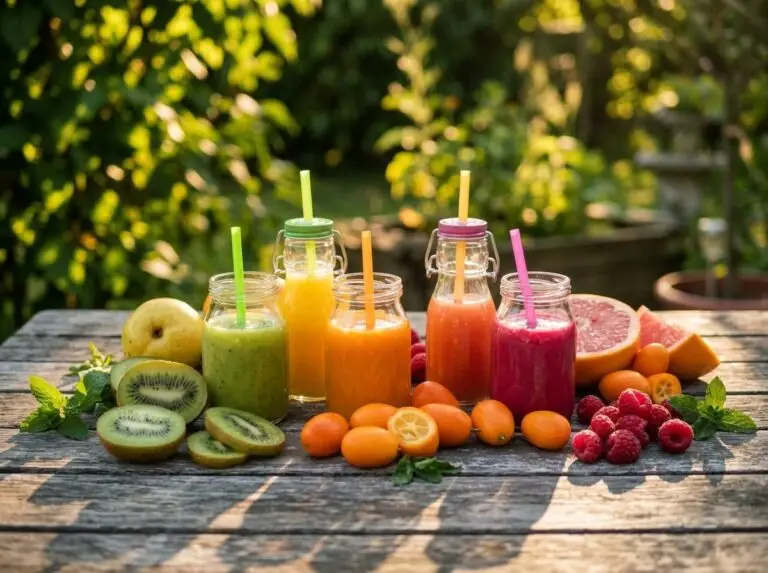
Fresh juices and smoothies have become staples of many healthy fast-casual restaurants.
Consumers appreciate these options because they offer:
• Flavor variety
• Fresh ingredients
• Convenience
• Customization
• Visual appeal
Fresh beverages complement healthy meals and contribute to the overall dining experience.
Many restaurants now view juice and smoothie programs as essential components of their menu strategies.
Why Grilled Foods Are Often Featured
Preparation methods influence consumer perceptions.
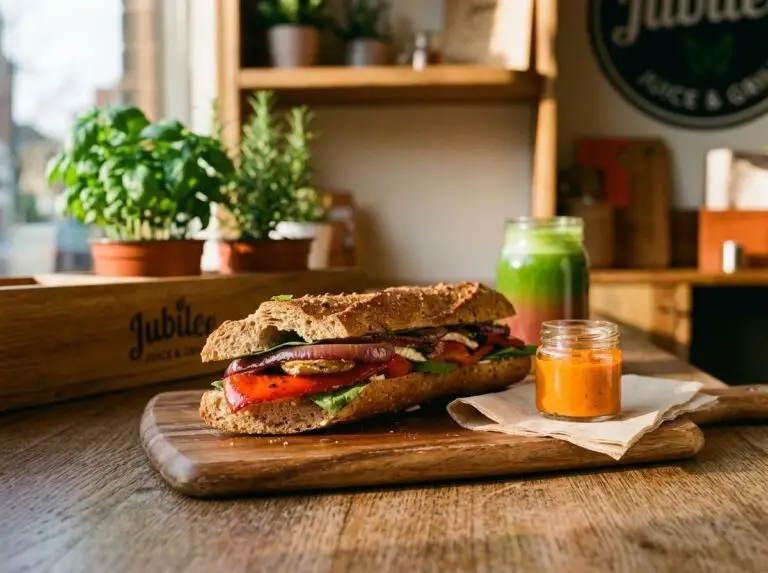
Many healthy fast-casual restaurants prominently feature grilled menu items because grilling aligns with current dining trends.
Popular grilled options include:
• Chicken sandwiches
• Protein bowls
• Turkey burgers
• Salmon dishes
• Vegetable wraps
• Grilled salads
Consumers often associate grilled foods with freshness, simplicity, and balanced eating.
This makes grilling one of the most common preparation methods found within health-focused restaurant concepts.
Convenience Still Matters
Health-conscious consumers are busy.
Many people balance demanding work schedules, family responsibilities, and personal commitments.
Because of this, convenience remains essential.
Healthy fast-casual restaurants succeed because they combine quality with efficiency.
Customers expect:
• Fast service
• Easy ordering
• Consistent preparation
• Quick meal access
• Reliable experiences
Restaurants that deliver both convenience and quality are often able to attract repeat customers.
The ability to save time without sacrificing food quality has become a major competitive advantage.
Why Environment And Experience Influence Dining Choices
The dining experience extends beyond the menu.
Consumers increasingly evaluate restaurants based on overall atmosphere.
Factors influencing restaurant selection may include:
• Cleanliness
• Design
• Customer service
• Ordering experience
• Comfort
• Brand reputation
Healthy fast-casual restaurants frequently create environments that feel modern, welcoming, and community-oriented.
These experiences help reinforce brand identity and encourage repeat visits.
The Rise Of Wellness-Focused Dining
The broader wellness movement continues influencing restaurant trends.
Consumers are paying closer attention to:
• Nutrition
• Physical activity
• Mental wellness
• Ingredient quality
• Lifestyle habits
Restaurants that align with these priorities often resonate strongly with modern diners.
Healthy fast-casual concepts have positioned themselves at the intersection of convenience and wellness, making them increasingly attractive to a wide range of consumers.
Why Chicago Consumers Are Embracing Healthy Fast-Casual Restaurants
Chicago’s dining culture continues evolving.
Professionals, students, families, and wellness-focused consumers are actively seeking restaurants that provide quality food without requiring lengthy dining experiences.
Healthy fast-casual restaurants meet this demand by offering:
• Fresh ingredients
• Made-to-order meals
• Customization
• Convenient service
• Balanced menu options
As consumer expectations continue changing, healthy fast-casual dining is becoming a larger part of Chicago’s restaurant landscape.
The combination of quality, convenience, and flexibility positions these restaurants for continued growth in the years ahead.
Why Menu Transparency Is Becoming A Major Competitive Advantage
Modern consumers want information.
Before choosing where to eat, many people review menus online, compare ingredients, check restaurant reviews, and evaluate available options.
Transparency has become one of the most important factors influencing restaurant decisions.
Customers increasingly appreciate restaurants that clearly communicate:
• Ingredients
• Preparation methods
• Menu options
• Customization opportunities
• Dietary accommodations
• Food quality standards
Transparency helps create trust.
When consumers understand exactly what they are ordering, they feel more confident in their dining decisions.
Healthy fast-casual restaurants often perform particularly well in this area because they prioritize visibility and customer education.
As awareness around nutrition continues growing, transparency is likely to become even more important.
Why Consumers Want More Control Over Their Meals
One of the defining characteristics of modern dining is personalization.
People no longer want limited menu choices.
Instead, they want meals that fit their individual preferences.
Consumers increasingly seek the ability to:
• Add or remove ingredients
• Choose protein options
• Select side dishes
• Adjust portion sizes
• Accommodate dietary needs
• Explore different flavor combinations
This desire for customization has helped shape the growth of healthy fast-casual restaurants.
Rather than serving identical meals to every customer, these restaurants create flexible menu systems that allow individuals to build meals according to their preferences.
The result is a more personalized dining experience that often leads to greater customer satisfaction.
The Growing Importance Of Fresh-Made Meals
Consumers are paying closer attention to food preparation than ever before.
Fresh-made meals continue attracting attention because they align with modern expectations around quality and freshness.
Many customers associate freshly prepared meals with:
• Better taste
• Better texture
• Higher quality
• Greater value
• Enhanced dining experiences
Made-to-order preparation also allows restaurants to accommodate customization requests more effectively.
Rather than preparing food hours in advance, restaurants can tailor meals to individual customer preferences.
This flexibility has become an important advantage within the healthy fast-casual segment.
Why Families Are Choosing Healthy Fast-Casual Restaurants
Healthy fast-casual restaurants appeal to a broad audience, including families.
Parents often look for dining environments that offer:
• Variety
• Fresh ingredients
• Convenient service
• Family-friendly menu options
• Flexible meal choices
• Comfortable atmospheres
Healthy fast-casual concepts frequently provide menu diversity that accommodates different tastes and age groups.
Children may prefer wraps, sandwiches, smoothies, or grilled items.
Adults may seek salads, protein bowls, fresh juices, or customizable meals.
This versatility makes healthy fast-casual restaurants attractive destinations for family dining.
The Influence Of Wellness Trends On Restaurant Growth
Wellness trends continue shaping consumer behavior across nearly every industry.
Food and beverage businesses are particularly affected.
Consumers are increasingly interested in:
• Balanced eating habits
• Ingredient quality
• Fresh foods
• Active lifestyles
• Sustainable habits
• Long-term wellness
Healthy fast-casual restaurants naturally align with these interests.
By emphasizing freshness, customization, and quality ingredients, they position themselves within broader lifestyle conversations that extend beyond food alone.
This connection helps strengthen customer engagement and brand loyalty.
Why Local Restaurants Have Unique Advantages
Local restaurants often possess strengths that large national chains struggle to replicate.
These strengths may include:
• Community relationships
• Personalized service
• Menu flexibility
• Faster innovation
• Local market understanding
• Unique dining experiences
Consumers increasingly appreciate businesses that feel connected to their communities.
Healthy fast-casual restaurants frequently leverage these advantages by creating welcoming environments and responding quickly to changing customer preferences.
This local connection often becomes a meaningful differentiator.
How Technology Is Supporting Healthy Fast-Casual Growth
Technology continues transforming the restaurant industry.
Healthy fast-casual restaurants increasingly utilize technology to improve:
• Online ordering
• Mobile experiences
• Customer convenience
• Order accuracy
• Operational efficiency
• Customer communication
Consumers expect seamless experiences whether they dine in, order online, or use mobile applications.
Restaurants that successfully combine technology with quality food often create stronger customer experiences.
Convenience and accessibility have become important components of modern restaurant success.
Why Consistency Matters
Regardless of menu quality, consistency remains essential.
Customers want confidence that their experience will remain reliable.
Consistency includes:
• Food quality
• Ingredient freshness
• Service standards
• Preparation methods
• Order accuracy
• Customer experience
Healthy fast-casual restaurants that consistently deliver positive experiences are more likely to earn repeat business and long-term loyalty.
Consumers value predictability, especially when integrating restaurants into their regular routines.
How Jubilee Juice & Grill Reflects Modern Healthy Dining Trends
The qualities that define successful healthy fast-casual restaurants in 2026 are closely aligned with evolving consumer expectations.
Fresh ingredients.
Made-to-order preparation.
Customization.
Convenience.
Transparency.
Balanced menu choices.
These are the factors many customers actively seek when selecting where to eat.
Jubilee Juice & Grill reflects many of these modern dining preferences through its focus on fresh juices, smoothies, grilled menu items, wraps, salads, sandwiches, and made-to-order meals.
By emphasizing ingredient quality and customer choice, restaurants like Jubilee Juice & Grill continue appealing to professionals, families, students, and health-conscious diners throughout Chicago.
As healthy dining continues growing, businesses that prioritize freshness, convenience, and customer experience are likely to remain highly relevant.
Frequently Asked Questions
What is a healthy fast-casual restaurant?
A healthy fast-casual restaurant combines convenient service with fresh ingredients, balanced menu options, customization, and quality preparation methods.
Why are healthy fast-casual restaurants becoming more popular?
Consumers increasingly seek meals that offer both convenience and ingredient quality while supporting modern wellness-focused lifestyles.
What menu items are commonly found at healthy fast-casual restaurants?
Popular options include salads, wraps, protein bowls, grilled proteins, smoothies, fresh juices, sandwiches, and customizable meals.
Why is customization important?
Customization allows customers to create meals that fit their personal preferences, dietary goals, and lifestyle needs.
What role do fresh ingredients play?
Fresh ingredients contribute to flavor, quality, transparency, and overall customer satisfaction.
Why do consumers value menu transparency?
Transparency helps customers understand ingredients, preparation methods, and available options, creating greater trust and confidence.
Are healthy fast-casual restaurants family-friendly?
Yes. Many offer menu flexibility that appeals to both adults and children.
How does technology support modern dining?
Technology improves convenience through online ordering, mobile experiences, faster service, and enhanced customer communication.
Why do consumers choose local restaurants?
Many people appreciate personalized service, community connections, unique menu offerings, and local business support.
What makes a healthy fast-casual restaurant successful?
Success often depends on ingredient quality, convenience, customization, consistency, transparency, and customer experience.
Conclusion
Healthy fast-casual restaurants have become one of the most influential segments of the modern restaurant industry.
Consumers no longer want to choose between convenience and quality.
They expect both.
Fresh ingredients, made-to-order meals, customizable menus, transparent preparation methods, and consistent experiences have become essential components of successful healthy dining concepts.
As wellness awareness continues growing, restaurants that prioritize these qualities are increasingly positioned to meet evolving customer expectations.
Whether serving busy professionals, families, students, or health-conscious diners, healthy fast-casual restaurants provide practical solutions for people seeking balanced meals that fit into modern lifestyles.
The future of dining belongs to restaurants that combine quality, convenience, and customer-focused experiences.
That is exactly why healthy fast-casual dining continues growing in Chicago and across the country.