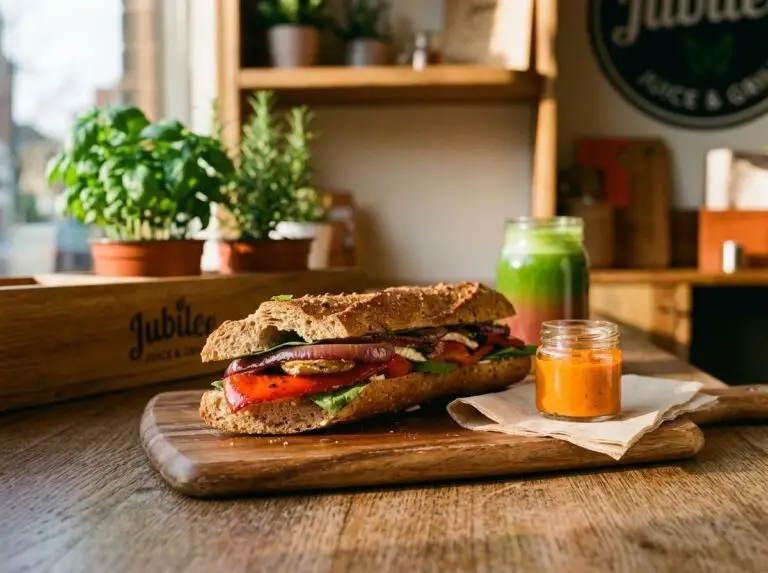
Fast food has transformed the way people eat. It offers convenience, affordability, and speed, making it a popular choice for busy professionals, students, families, travelers, and anyone balancing a hectic schedule. Whether grabbing breakfast before work, ordering lunch between meetings, or picking up dinner after a long day, millions of people rely on fast food every day because it fits into modern lifestyles.
Yet despite its popularity, fast food has developed a reputation that many consumers question. For decades, people have associated traditional fast food with heavily processed ingredients, deep-fried cooking methods, excessive sodium, refined carbohydrates, sugary beverages, artificial additives, and oversized portions. As public awareness surrounding nutrition has grown, consumers have become increasingly cautious about where they eat and what they order.
This has created one of the biggest questions in today’s restaurant industry:
Can fast food actually be healthy?
The answer is more nuanced than a simple yes or no.
Healthy fast food is not determined by how quickly a meal is prepared. Instead, it depends on ingredient quality, cooking methods, nutritional balance, freshness, and thoughtful menu design. A meal served within ten minutes can still contain fresh vegetables, lean proteins, whole ingredients, and balanced nutrition when restaurants prioritize quality over convenience alone.
Over the past decade, customer expectations have changed dramatically.
Modern diners no longer judge restaurants solely on speed or price. They increasingly evaluate menus based on freshness, transparency, preparation methods, and ingredient quality. Many people actively search for restaurants offering grilled proteins instead of fried alternatives, fresh salads instead of heavily processed sides, whole-fruit smoothies instead of sugar-filled beverages, and meals that provide sustained energy throughout the day.
This evolution has fundamentally changed the fast-casual restaurant industry.
Restaurants today are responding by expanding healthier menu options, emphasizing fresh ingredients, introducing customizable meals, and adopting cooking methods that preserve natural flavors rather than masking them with excessive oils or artificial ingredients.
Quick Answer
Healthy fast food is absolutely possible when restaurants focus on fresh ingredients, balanced nutrition, thoughtful cooking methods, and made-to-order preparation. Rather than relying on highly processed foods, healthier fast-food restaurants often feature grilled proteins, fresh vegetables, whole fruits, nutrient-rich salads, quality ingredients, and cooking techniques such as char-broiling that naturally enhance flavor without unnecessary processing. The result is a meal that combines convenience with quality, allowing customers to enjoy fast service without compromising on freshness or taste.
One of the biggest misconceptions surrounding healthy eating is the belief that nutritious meals must always be prepared at home.
While home cooking certainly offers many benefits, restaurant dining has evolved significantly. Many independent restaurants now invest heavily in sourcing fresh produce, preparing meals daily, grilling proteins instead of deep frying, blending smoothies using whole fruits, and creating balanced menu options that align with changing consumer preferences.
The focus has shifted from simply serving food quickly to serving food thoughtfully.
Cooking methods play a major role in this transformation.
Consider the difference between deep frying and char-broiling.
Deep frying submerges food in hot oil, creating a crispy exterior through rapid cooking. Char-broiling, on the other hand, uses radiant heat and open flames to cook food while allowing excess fat to drip away naturally. The result is bold flavor developed through caramelization and natural smoke rather than additional oils. Although both methods have their place, many health-conscious diners appreciate grilled preparation because it highlights ingredient quality while maintaining satisfying flavor.
Freshness is another defining characteristic of healthier fast food.
Meals prepared with crisp vegetables, freshly grilled proteins, quality breads, ripe fruits, and made-to-order ingredients naturally provide a more vibrant dining experience. Fresh ingredients contribute better texture, brighter flavors, and greater visual appeal while often requiring fewer artificial enhancements.
The following table compares traditional fast food with modern healthy fast-casual dining.
| Feature | Traditional Fast Food | Healthy Fast-Casual Dining |
| Protein Preparation | Frequently fried | Often grilled or char-broiled |
| Vegetables | Limited selection | Fresh vegetables featured throughout the menu |
| Beverage Options | Soft drinks and sugary beverages | Whole-fruit smoothies, fresh juices, water |
| Cooking Philosophy | Speed-focused | Quality and freshness balanced with efficiency |
| Meal Customization | Limited | Flexible ingredient choices |
| Ingredient Quality | Often heavily processed | Greater emphasis on fresh preparation |
Consumer priorities have also changed because lifestyles have changed.
Busy professionals need lunches that provide sustained energy instead of afternoon fatigue.
Parents seek meals that satisfy both adults and children without relying entirely on fried foods.
Fitness enthusiasts look for protein-rich meals that support active lifestyles.
Students want affordable meals prepared with quality ingredients.
Late-night workers increasingly search for restaurants offering healthier alternatives during nontraditional dining hours.
These changing expectations have encouraged restaurants to think differently about menu development.
Instead of asking how quickly food can be prepared, successful restaurants now ask how they can deliver fresh meals efficiently while maintaining consistency and flavor. This shift has led to greater emphasis on grilled chicken, handcrafted burgers, fresh salads, whole-fruit smoothies, lean proteins, and customizable meal options that appeal to a broader range of dietary preferences.
Restaurants such as Jubilee Juice & Grill reflect this modern approach to healthy fast food by combining made-to-order preparation with fresh ingredients, char-broiled proteins, handcrafted burgers, salads, seafood, vegetarian options, and whole-fruit smoothies. Rather than forcing customers to choose between convenience and quality, the focus is on delivering balanced meals that satisfy both taste and nutritional expectations.
As consumer awareness continues growing, healthy fast food is no longer viewed as a contradiction. Instead, it has become an evolving category built around fresh ingredients, thoughtful preparation, and cooking methods that respect both flavor and nutrition. Throughout this guide, we’ll explore what truly defines healthy fast food, how ingredient quality shapes every meal, why cooking techniques matter, and how diners can make informed choices without sacrificing convenience or enjoyment.
What Actually Makes Fast Food Healthy?
The phrase “healthy fast food” has become increasingly common over the past decade, yet it is also one of the most misunderstood concepts in the restaurant industry. Many people assume that simply adding a salad to the menu or reducing portion sizes automatically makes a restaurant healthy. Others believe that fast food, regardless of how it is prepared, can never be considered a nutritious option. The truth lies somewhere in between.
Healthy fast food is not defined by speed.
It is defined by the quality of ingredients, cooking techniques, menu balance, preparation methods, and nutritional philosophy behind every meal.
A restaurant can prepare food quickly while still using fresh vegetables, lean proteins, whole fruits, quality breads, and made-to-order cooking methods. Likewise, a meal served slowly is not automatically nutritious if it relies heavily on processed ingredients, excessive sugars, saturated fats, or artificial additives.
Today’s consumers have become much more informed about nutrition than previous generations.
Instead of focusing exclusively on calories, diners now consider protein intake, ingredient transparency, fiber, fresh produce, cooking methods, preservatives, sodium levels, and overall food quality. This shift has encouraged restaurants to rethink how menus are designed and how meals are prepared from the kitchen to the customer’s table.
One of the first characteristics of healthier fast food is ingredient integrity.
Fresh ingredients naturally retain better flavor, texture, and nutritional value than heavily processed alternatives. Crisp vegetables provide natural vitamins and minerals while contributing vibrant color and texture to every meal. Fresh herbs introduce aroma and flavor without relying on excessive sodium. Whole fruits offer natural sweetness and fiber instead of depending on artificial syrups or flavor enhancers. Premium proteins create satisfying meals while requiring fewer processed ingredients to achieve great taste.
Consumers increasingly recognize this difference.
Fresh ingredients simply taste different.
They look different.
They smell different.
Most importantly, they create meals that feel more balanced and satisfying.
Cooking techniques are equally important.
Many traditional fast-food restaurants rely extensively on deep frying because it provides speed and consistency. While fried foods remain popular, they are no longer the only option available to customers seeking convenient meals. Restaurants emphasizing healthier preparation methods frequently choose grilling, roasting, baking, steaming, or char-broiling because these techniques develop rich flavors while allowing the natural qualities of ingredients to remain the focus.
Char-broiling represents an excellent example of this approach.
Instead of submerging food in hot oil, char-broiling exposes proteins to radiant heat and open flames. As excess fat naturally renders away during cooking, the meat develops a caramelized exterior while maintaining moisture inside. The result is bold flavor achieved through craftsmanship rather than excessive processing. Customers enjoy the familiar satisfaction of grilled food while appreciating a preparation method that emphasizes freshness and quality.
Another defining feature of healthy fast food is menu balance.
A balanced menu recognizes that every customer has different nutritional goals, dietary preferences, and lifestyles. Some diners seek protein-rich lunches that provide sustained energy during long workdays. Others prioritize fresh vegetables, vegetarian meals, seafood, whole grains, or fruit-based beverages. Families often require flexible menus capable of satisfying both children and adults during the same visit.
The following table illustrates several characteristics commonly associated with healthier fast-food restaurants.
| Healthy Dining Principle | Why It Matters |
| Fresh Ingredients | Deliver natural flavor, better texture, and greater nutritional value. |
| Grilled or Char-Broiled Proteins | Provide satisfying flavor while emphasizing quality preparation. |
| Fresh Vegetables | Increase variety, balance, and visual appeal. |
| Whole-Fruit Beverages | Offer naturally refreshing alternatives to heavily sweetened drinks. |
| Made-to-Order Preparation | Preserves freshness while reducing unnecessary holding times. |
| Flexible Menu Options | Accommodate different dietary preferences and lifestyles. |
Transparency has also become an important expectation.
Modern diners want to know how food is prepared, where ingredients come from, and why restaurants choose particular cooking methods. Businesses that openly communicate their food philosophy build stronger trust because customers understand the reasoning behind menu decisions. Rather than hiding preparation methods, many successful restaurants proudly highlight fresh ingredients, handcrafted preparation, and cooking techniques that distinguish them from conventional fast-food chains.
Customization further strengthens healthy dining.
Instead of forcing every customer into identical meals, many fast-casual restaurants now allow guests to personalize their orders. Choosing grilled chicken instead of fried protein, adding extra vegetables, selecting lighter dressings, substituting healthier sides, or pairing meals with whole-fruit smoothies allows individuals to create combinations that align with their own nutritional preferences without sacrificing convenience.
This flexibility reflects a broader change in consumer behavior.
People no longer view healthy eating as temporary dieting.
Instead, many see it as making better everyday choices whenever possible.
Restaurants that provide fresh ingredients, balanced menus, and thoughtful preparation become valuable partners in supporting these long-term habits.
At Jubilee Juice & Grill, this philosophy is reflected across the menu. Fresh char-broiled burgers, grilled chicken, seafood, salads, vegetarian selections, and whole-fruit smoothies demonstrate that convenient dining does not require compromising on ingredient quality or flavor. Rather than separating indulgent meals from healthier choices, the menu offers variety so guests can select meals that best match their preferences, schedules, and lifestyles.
Ultimately, healthy fast food is not about eliminating enjoyment or avoiding favorite meals. It is about preparing familiar foods with greater care, using fresher ingredients, better cooking methods, and balanced menu design. When restaurants prioritize quality at every stage—from sourcing ingredients to serving meals fresh—they demonstrate that convenience and nutrition can successfully exist together. As consumer expectations continue evolving, healthy fast food is becoming less of an exception and more of a new standard, proving that speed, flavor, and freshness no longer need to compete with one another.
Why Fresh Ingredients and Smart Cooking Methods Matter More Than Calories
For many years, conversations about healthy eating revolved almost entirely around calories. Restaurant menus promoted low-calorie options, food packaging highlighted calorie counts, and consumers often believed that choosing the meal with the lowest number automatically meant making the healthiest decision. While calories remain an important part of nutrition, modern food science and consumer awareness have demonstrated that they tell only a small part of the story. A truly nutritious meal is determined by the overall quality of its ingredients, the way it is prepared, the balance of nutrients it provides, and how satisfying it is over time.
This shift in thinking has changed the way many people evaluate restaurants.
Instead of asking, “Which meal has the fewest calories?” customers increasingly ask questions such as:
- Is the food freshly prepared?
- What type of protein does the restaurant use?
- Are vegetables prepared fresh each day?
- Is the food grilled or fried?
- Are smoothies made with whole fruit?
- Can I customize my meal?
- Will this meal keep me full and energized?
These questions reflect a growing understanding that healthy eating is about making informed choices rather than simply restricting food.
One of the biggest contributors to healthier restaurant meals is ingredient quality.
Fresh ingredients naturally provide better flavor, texture, appearance, and nutritional value than heavily processed alternatives. Crisp lettuce delivers freshness that packaged greens often cannot replicate. Vine-ripened tomatoes provide natural sweetness and moisture. Fresh onions contribute aroma and texture. Whole fruits contain naturally occurring fiber and nutrients, while fresh herbs introduce complex flavors without relying heavily on salt or artificial seasoning.
These ingredients do more than improve nutrition.
They also improve the dining experience itself.
Meals prepared with fresh ingredients appear more vibrant, taste more balanced, and create greater satisfaction because every component contributes naturally to the final dish.
Protein quality is equally important.
Protein plays an essential role in building and repairing muscles, supporting the immune system, and helping people feel satisfied after eating. However, not all protein sources are prepared the same way. Restaurants that emphasize fresh, grilled, or char-broiled proteins often create meals that deliver rich flavor without depending on excessive breading or deep frying.
Char-broiling is particularly valuable because it enhances flavor through fire rather than additional oils.
Open flames caramelize the exterior of meats while preserving moisture inside, creating the bold grilled taste that many diners enjoy. Excess fat naturally drips away during cooking, allowing the quality of the protein itself to remain the centerpiece. Combined with fresh vegetables and thoughtfully selected sides, char-broiled proteins become the foundation of balanced meals suitable for lunch, dinner, or post-workout recovery.
The following table illustrates how ingredient quality influences healthy fast food.
| Ingredient Choice | Better Dining Experience |
| Fresh vegetables | Brighter flavor, improved texture, natural nutrients |
| Char-broiled proteins | Rich grilled flavor with fresh preparation |
| Whole-fruit smoothies | Natural fruit flavor without relying on artificial syrups |
| Fresh herbs | Flavor enhancement without excessive sodium |
| Artisan breads | Better texture and overall meal quality |
| Fresh preparation | Greater consistency, freshness, and presentation |
Another important factor is meal balance.
Healthy eating does not mean eliminating favorite foods or avoiding satisfying meals altogether. Instead, it means creating combinations that provide protein, vegetables, healthy carbohydrates, and fresh ingredients working together. A char-broiled chicken sandwich paired with a fresh salad, a handcrafted burger served alongside grilled vegetables, or a whole-fruit smoothie enjoyed with a protein-rich meal can all contribute to a balanced dining experience depending on individual nutritional needs.
Customization has become another defining characteristic of healthier fast-casual restaurants.
Modern diners appreciate the flexibility to personalize meals according to their preferences. Some choose additional vegetables, others increase protein, while some select lighter sauces or pair meals with smoothies instead of sugary soft drinks. Restaurants offering this flexibility allow customers to make choices that align with their own lifestyles rather than following a one-size-fits-all menu.
This flexibility is especially valuable because every customer has different goals.
A busy professional may prioritize sustained energy throughout the workday.
A fitness enthusiast may focus on protein intake after exercise.
Families often seek meals capable of satisfying adults and children alike.
Students may look for affordable yet filling options.
Late-night workers often want comforting meals prepared with fresher ingredients than traditional fast-food alternatives.
Successful restaurants recognize these diverse needs and design menus capable of serving each customer without sacrificing quality.
The following table highlights how customer priorities continue changing.
| Customer Priority | Restaurant Response |
| Fresh ingredients | Daily preparation and quality sourcing |
| Higher protein meals | Char-broiled chicken, burgers, seafood |
| Healthier beverages | Whole-fruit smoothies and fresh juices |
| Menu flexibility | Customizable meal options |
| Better cooking methods | Grilling and char-broiling instead of relying only on frying |
| Faster service without sacrificing quality | Efficient made-to-order preparation |
This philosophy is reflected throughout the menu at Jubilee Juice & Grill. Rather than defining healthy fast food by restrictions, the restaurant focuses on offering fresh ingredients, char-broiled proteins, handcrafted burgers, crisp salads, seafood, vegetarian options, and whole-fruit smoothies that provide customers with genuine choice. Whether someone is looking for a protein-packed lunch, a balanced family dinner, a post-workout smoothie, or a satisfying handcrafted burger, the emphasis remains on freshness, preparation, and quality rather than shortcuts.
Ultimately, healthy fast food is about far more than calories or labels. It is about respecting ingredients, preparing food with care, and giving customers meals they can enjoy with confidence. When fresh produce, premium proteins, thoughtful cooking methods, and balanced menu design come together, fast food evolves into something much more meaningful—a convenient dining experience that delivers both exceptional flavor and everyday nourishment. As restaurants continue embracing this philosophy, healthy fast food is no longer simply a trend but an important evolution in how people choose to eat in today’s fast-paced world.
How to Make Healthier Fast Food Choices Without Giving Up the Foods You Love
For many people, the idea of eating healthy often feels restrictive. It is commonly associated with eliminating favorite meals, avoiding burgers, skipping restaurant visits, or following strict diets that are difficult to maintain over time. In reality, healthy eating is rarely about perfection. It is about making smarter, more balanced decisions that fit naturally into everyday life. This is particularly important because modern lifestyles leave little time for preparing every meal at home. Work commitments, family responsibilities, commuting, travel, and busy schedules make restaurant dining a practical necessity for millions of people.
The good news is that healthy fast food is no longer limited to plain salads or basic grilled chicken. As customer expectations have evolved, many fast-casual restaurants have redesigned their menus to provide greater flexibility, fresher ingredients, and higher-quality cooking methods without sacrificing flavor. Instead of forcing customers to choose between convenience and nutrition, restaurants increasingly recognize that today’s diners expect both.
The first step toward making healthier choices is understanding that every meal consists of multiple components working together.
Rather than evaluating only the burger, sandwich, or entrée, consider the complete meal. The type of protein, cooking method, vegetables, beverages, sides, sauces, and portion sizes all influence the overall dining experience. Small decisions made throughout the ordering process often have a greater impact than choosing an entirely different meal.
For example, selecting a char-broiled chicken sandwich instead of a heavily breaded alternative changes the preparation method while still delivering satisfying flavor. Pairing a handcrafted burger with a fresh salad or whole-fruit smoothie instead of heavily sweetened beverages creates additional balance without removing enjoyment from the meal. Adding extra vegetables increases freshness while contributing natural texture and color that improve the overall dining experience.
This flexible approach makes healthy eating far more sustainable.
Rather than focusing on restriction, it emphasizes balance and variety.
Restaurants that provide customizable menus naturally support this philosophy because customers can tailor meals according to their individual preferences, activity levels, and nutritional goals.
The following table illustrates how small choices can create more balanced restaurant meals.
| Dining Decision | Balanced Alternative |
| Fried protein | Char-broiled or grilled protein |
| Sugary soft drink | Whole-fruit smoothie, fresh juice, or water |
| Minimal vegetables | Add fresh lettuce, tomatoes, onions, avocado, or grilled vegetables |
| Highly processed sides | Fresh salads or lighter accompaniments |
| Limited customization | Personalize ingredients based on your preferences |
| Convenience-only mindset | Choose meals combining freshness, flavor, and balance |
One of the biggest misconceptions surrounding healthy eating is the belief that nutritious meals cannot also be enjoyable.
In practice, flavor remains one of the most important reasons customers return to a restaurant. Fresh herbs, premium ingredients, open-flame grilling, ripe vegetables, artisan breads, carefully selected cheeses, and thoughtfully balanced recipes demonstrate that healthier meals do not need to compromise taste. Instead, they often rely on ingredient quality rather than excessive processing to create satisfying flavor.
Cooking methods play a significant role in achieving this balance.
Char-broiling illustrates how traditional culinary techniques can naturally enhance food without requiring additional oils or artificial flavorings. High-temperature radiant heat creates caramelization while allowing proteins to retain moisture and develop rich grilled flavor. Because the cooking process itself contributes complexity, fresh ingredients become the centerpiece instead of being hidden beneath heavy sauces or breading.
Whole-fruit smoothies represent another excellent example.
Unlike beverages heavily dependent on syrups or artificial flavorings, smoothies prepared with real fruit provide natural sweetness while showcasing the fruit’s original flavor. They also create refreshing meal companions that complement grilled sandwiches, burgers, salads, and protein-rich lunches. Whether enjoyed as part of breakfast, lunch, post-workout recovery, or an afternoon refreshment, whole-fruit smoothies continue growing in popularity because they combine convenience with recognizable ingredients.
The importance of flexibility extends beyond individual nutrition.
Families frequently face the challenge of selecting restaurants capable of satisfying multiple tastes during the same visit. Parents may seek fresh salads or grilled proteins while children prefer burgers or sandwiches. Friends dining together often have different dietary preferences ranging from vegetarian meals to seafood or higher-protein options. Restaurants offering diverse menus allow everyone to enjoy meals suited to their individual preferences without compromising the overall dining experience.
The following table highlights how modern fast-casual restaurants are responding to changing customer expectations.
| Customer Expectation | Modern Restaurant Approach |
| Fresh ingredients | Daily preparation and quality sourcing |
| Better protein options | Char-broiled burgers, grilled chicken, seafood |
| More vegetables | Expanded salad and fresh topping selections |
| Beverage variety | Whole-fruit smoothies, fresh juices, healthier drink options |
| Greater flexibility | Customizable meals for different lifestyles |
| Balanced dining | Combining convenience with thoughtful preparation |
This evolution reflects broader changes within the restaurant industry.
Consumers increasingly understand that healthy eating is not determined by one ingredient or one meal. Instead, it is shaped by consistent habits built around balance, moderation, variety, and quality. Restaurants that embrace these principles become valuable partners in helping customers make informed choices while still enjoying meals they genuinely love.
At Jubilee Juice & Grill, this philosophy can be seen throughout the menu. Fresh char-broiled burgers, grilled chicken, seafood, crisp salads, vegetarian selections, handcrafted sandwiches, and whole-fruit smoothies provide guests with a wide range of options suitable for different lifestyles and nutritional goals. Rather than limiting customers to one definition of healthy eating, the menu emphasizes flexibility, allowing every guest to build a meal that matches their individual preferences.
Perhaps the most important lesson is that healthy fast food should never be viewed as an all-or-nothing decision. Enjoying a handcrafted burger does not prevent someone from maintaining balanced eating habits, just as choosing a salad occasionally does not automatically create a healthy lifestyle. Sustainable nutrition comes from making thoughtful decisions consistently over time rather than pursuing perfection.
As restaurant dining continues evolving, successful establishments will increasingly be those that understand this balance. Customers want meals that are flavorful, convenient, freshly prepared, and capable of fitting into busy lives without feeling overly restrictive. Restaurants that combine fresh ingredients, responsible cooking methods, menu flexibility, and genuine hospitality demonstrate that healthy fast food is not simply possible—it is becoming the new standard for modern dining.
Frequently Asked Questions About Healthy Fast Food
1. What is healthy fast food?
Healthy fast food refers to meals that combine the convenience of quick service with fresh ingredients, balanced nutrition, and thoughtful preparation methods. Instead of relying primarily on heavily processed foods, healthier fast-food restaurants often feature fresh vegetables, lean proteins, whole fruits, grilled or char-broiled meats, wholesome sides, and made-to-order preparation. The goal is to provide customers with flavorful meals that support a balanced lifestyle while maintaining the speed and convenience people expect from modern dining.
2. Can fast food really be healthy?
Yes. Fast food can absolutely be healthy when restaurants prioritize ingredient quality, preparation methods, and menu balance. Speed alone does not determine whether a meal is nutritious. Restaurants that prepare fresh salads, char-broiled proteins, whole-fruit smoothies, seafood, and vegetable-rich meals demonstrate that convenience and healthy eating can exist together. The overall nutritional value depends on the ingredients chosen, cooking techniques used, and how the meal is balanced.
3. What makes a fast-food restaurant healthier than traditional fast food?
Several factors distinguish healthier fast-casual restaurants from traditional fast-food establishments. These include fresh ingredients, made-to-order preparation, grilled or char-broiled cooking methods, customizable menu options, whole-fruit beverages, balanced meal combinations, and greater transparency regarding food preparation. Rather than emphasizing speed above everything else, healthier restaurants focus on delivering quality meals efficiently while maintaining freshness and consistency.
4. Why are fresh ingredients so important?
Fresh ingredients provide better flavor, texture, appearance, and nutritional value than heavily processed alternatives. Crisp vegetables, ripe fruits, quality proteins, fresh herbs, and artisan breads create meals that are naturally more satisfying because every ingredient contributes its own flavor and texture. Fresh ingredients also require fewer artificial additives, allowing restaurants to highlight the natural qualities of the food itself instead of depending heavily on preservatives or flavor enhancers.
5. Is grilled food healthier than fried food?
Grilled and char-broiled foods are often preferred by health-conscious diners because these cooking methods develop rich flavor without requiring food to be submerged in hot oil. During char-broiling, excess fat naturally drips away while high heat creates caramelization that enhances flavor. Although both grilled and fried foods can be enjoyed as part of a balanced lifestyle, grilling emphasizes ingredient quality while producing the bold, smoky flavors many people associate with fresh cooking.
6. Are burgers part of a healthy lifestyle?
Burgers can certainly fit within a balanced eating plan when they are prepared using quality ingredients and enjoyed as part of an overall nutritious diet. Fresh beef, char-broiled cooking, crisp vegetables, artisan buns, and thoughtful portion sizes all contribute to creating a satisfying meal. Pairing burgers with salads, grilled vegetables, or whole-fruit smoothies instead of relying exclusively on heavily processed sides further supports a balanced dining experience.
7. Why are whole-fruit smoothies becoming more popular?
Whole-fruit smoothies have gained popularity because they offer refreshing flavor while using recognizable ingredients that customers trust. Rather than depending entirely on artificial syrups or sweetened concentrates, smoothies prepared with real fruit highlight natural flavors and create beverages suitable for breakfast, lunch, post-workout recovery, or afternoon refreshments. Many customers appreciate their versatility alongside grilled meals, salads, sandwiches, and burgers.
8. How do made-to-order meals improve food quality?
Made-to-order preparation ensures that meals are cooked only after customers place their orders. This approach helps preserve freshness, texture, flavor, and presentation while reducing the amount of time food spends waiting under warming equipment. Freshly prepared burgers, grilled chicken, salads, sandwiches, and smoothies generally deliver a noticeably better dining experience because every ingredient reaches the customer at its peak quality.
9. What should I look for when choosing a healthy fast-food restaurant?
When selecting a healthier restaurant, look beyond calorie counts alone. Consider whether the restaurant offers fresh vegetables, grilled or char-broiled proteins, whole-fruit beverages, customizable meals, quality ingredients, balanced menu options, and transparent preparation methods. Restaurants that consistently emphasize freshness, craftsmanship, and ingredient quality often provide better overall dining experiences while giving customers greater flexibility to make choices that fit their individual lifestyles.
10. Why do customers choose Jubilee Juice & Grill for healthy fast food?
Jubilee Juice & Grill has built its reputation by combining convenience with quality. The menu features fresh char-broiled burgers, grilled chicken, seafood, crisp salads, vegetarian options, handcrafted sandwiches, and whole-fruit smoothies, allowing guests to enjoy a wide variety of freshly prepared meals. By emphasizing quality ingredients, made-to-order preparation, and open-flame cooking, Jubilee demonstrates that healthy fast food can be both flavorful and satisfying without requiring customers to compromise on convenience.
11. Is healthy fast food suitable for busy professionals?
Absolutely. Healthy fast food has become increasingly popular among busy professionals because it combines speed with balanced nutrition. Long workdays, meetings, commuting, and demanding schedules often leave little time for preparing meals at home. Restaurants that offer char-broiled proteins, fresh salads, whole-fruit smoothies, handcrafted sandwiches, and customizable meal options allow professionals to enjoy satisfying lunches and dinners without relying on heavily processed convenience foods. Choosing meals with quality protein, fresh vegetables, and thoughtfully prepared ingredients can also help maintain energy levels throughout the day.
12. Can healthy fast food work for families?
Yes. Modern healthy fast-casual restaurants are designed to accommodate a wide variety of tastes, making them an excellent choice for family dining. Parents often prefer grilled proteins, salads, seafood, or lighter menu options, while children may enjoy handcrafted burgers, sandwiches, or smoothies. A diverse menu allows every family member to find something they enjoy without requiring multiple restaurant stops. This flexibility makes healthy fast food a practical option for weeknight dinners, weekend outings, and family celebrations.
13. Why is menu variety important in a healthy restaurant?
No two customers have the same nutritional needs or personal preferences. Some prioritize protein-rich meals, while others prefer vegetarian dishes, seafood, fresh salads, or fruit-based beverages. Restaurants offering a wide selection of menu categories allow guests to choose meals that align with their individual lifestyles rather than following a single definition of healthy eating. Greater variety also encourages repeat visits because customers can enjoy something different each time while still benefiting from fresh ingredients and thoughtful preparation.
14. Are whole-fruit smoothies a good alternative to soft drinks?
Many diners choose whole-fruit smoothies because they provide natural fruit flavors and pair well with a variety of meals. When prepared with real fruit and quality ingredients, smoothies offer a refreshing alternative to traditional sugary soft drinks. They complement burgers, grilled chicken, sandwiches, salads, and lighter meals while providing customers with additional beverage choices that reflect changing consumer preferences toward fresher, less processed options.
15. Why do cooking methods matter as much as ingredients?
Even the freshest ingredients can produce very different results depending on how they are prepared. Cooking methods influence flavor, texture, aroma, and the overall dining experience. Char-broiling, grilling, roasting, and baking often emphasize the natural qualities of ingredients, while heavy frying can significantly alter the final product. Restaurants that carefully select cooking techniques based on flavor and freshness demonstrate a stronger commitment to culinary quality rather than relying solely on speed or convenience.
16. How can customers make healthier choices when eating out?
Making healthier restaurant choices does not require avoiding favorite foods altogether. Instead, customers can focus on selecting meals that include fresh vegetables, quality proteins, balanced sides, and beverages that complement rather than overwhelm the meal. Choosing char-broiled chicken instead of fried alternatives, adding extra vegetables, selecting a fresh salad, or pairing a meal with a whole-fruit smoothie are simple decisions that contribute to a more balanced dining experience while still allowing people to enjoy restaurant meals.
17. Why are fresh ingredients becoming more important to today’s diners?
Consumers are increasingly interested in knowing what goes into their food and how it is prepared. Fresh ingredients are associated with better flavor, improved texture, vibrant presentation, and greater transparency. Restaurants that emphasize daily preparation, quality sourcing, and made-to-order meals often build stronger customer trust because diners can clearly recognize the care invested in every dish. This growing appreciation for freshness continues shaping the future of the restaurant industry.
18. What makes Jubilee Juice & Grill different from many traditional fast-food restaurants?
Jubilee Juice & Grill combines the convenience of fast-casual dining with a commitment to fresh ingredients and handcrafted preparation. The menu includes char-broiled burgers, grilled chicken, seafood, fresh salads, vegetarian selections, handcrafted sandwiches, and whole-fruit smoothies prepared to order. This broad selection allows guests to enjoy meals suited to different dietary preferences while benefiting from quality ingredients and cooking methods that emphasize flavor rather than excessive processing.
19. Is healthy fast food becoming the future of the restaurant industry?
Consumer trends strongly suggest that healthier fast-casual dining will continue expanding. Today’s customers increasingly value freshness, ingredient transparency, customizable menus, balanced meal options, and restaurants that combine convenience with culinary quality. Businesses capable of delivering these experiences are well positioned to meet changing expectations while serving professionals, families, students, fitness enthusiasts, and health-conscious diners seeking everyday meal solutions.
20. Why should someone choose a restaurant that focuses on fresh ingredients?
Fresh ingredients enhance every aspect of the dining experience. They create brighter flavors, more appealing textures, improved presentation, and meals that feel thoughtfully prepared from start to finish. Restaurants committed to fresh vegetables, quality proteins, whole-fruit smoothies, handcrafted preparation, and made-to-order service consistently deliver meals that satisfy both convenience and quality. Choosing restaurants with this philosophy allows customers to enjoy flavorful food while feeling confident about the care invested in every meal.
Conclusion
Healthy fast food is no longer an exception—it has become an important evolution in the modern restaurant industry. As customers increasingly seek meals that combine convenience, freshness, and exceptional flavor, restaurants have adapted by moving beyond the traditional fast-food model. Fresh vegetables, char-broiled proteins, handcrafted burgers, whole-fruit smoothies, balanced menu options, and made-to-order preparation have demonstrated that speed and quality are no longer competing priorities.
Throughout this guide, we explored what truly defines healthy fast food, why ingredient quality matters more than labels alone, how cooking methods influence both flavor and nutritional value, and why flexibility has become one of the most valuable characteristics of modern fast-casual dining. We also examined how thoughtful menu design allows customers to build meals that fit different lifestyles, whether they are busy professionals, families, students, fitness enthusiasts, or anyone looking for convenient food prepared with greater care.
Perhaps the most important takeaway is that healthy eating is not about perfection or restriction. It is about making informed choices consistently over time. A handcrafted char-broiled burger prepared with fresh ingredients can absolutely fit into a balanced lifestyle, just as a fresh salad, grilled chicken meal, seafood entrée, or whole-fruit smoothie can. The goal is not to eliminate favorite foods but to enjoy them in ways that emphasize quality, freshness, and thoughtful preparation.
At Jubilee Juice & Grill, this philosophy is reflected across every menu category. From char-broiled burgers and grilled chicken to crisp salads, seafood, vegetarian options, handcrafted sandwiches, and refreshing whole-fruit smoothies, every meal is prepared with a commitment to freshness, flavor, and customer choice. By combining quality ingredients with efficient made-to-order service, Jubilee demonstrates that healthy fast food can be both satisfying and convenient without compromising on taste.
As the restaurant industry continues evolving, one thing has become increasingly clear: today’s diners expect more than speed alone. They want meals that nourish, energize, and deliver authentic flavor through quality ingredients and skilled preparation. Restaurants that embrace these principles are helping redefine what fast food can be—proving that healthy, flavorful, and convenient dining can successfully exist together for generations to come.