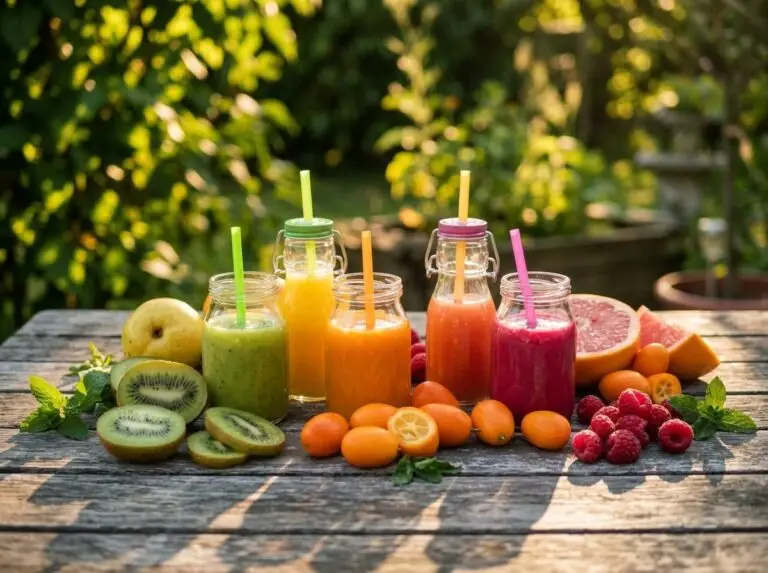
Walk into almost any grocery store and you’ll find entire aisles dedicated to juice.
Orange juice.
Apple juice.
Green juice.
Berry blends.
Tropical fruit combinations.
At first glance, many of these products appear healthy.
Packaging often features images of fresh fruit, vibrant colors, and wellness-focused messaging.
However, not all juices are created equally.
There is a significant difference between freshly prepared juice and many packaged juice products found on store shelves.
As consumers become increasingly health-conscious, more people are asking important questions:
Is fresh juice healthier?
Does packaged juice contain the same nutrients?
Why do so many people prefer freshly squeezed juice?
Is the higher price worth it?
These questions have become especially relevant as fresh juice bars and healthy dining concepts continue growing in popularity across cities like Chicago and throughout the United States.
Fresh juice has become a cornerstone of modern wellness culture.
Many people view it as a convenient way to increase fruit and vegetable intake while enjoying refreshing flavors and hydration.
At the same time, packaged juices remain widely available and convenient.
Understanding the differences between these two options can help consumers make more informed decisions about what they drink and how those choices support overall health.
What Is Fresh Juice?
Fresh juice is made by extracting liquid directly from fruits and vegetables shortly before consumption.
The juice is typically prepared using:
• Commercial juicers
• Cold-press machines
• Fresh-squeeze equipment
• Made-to-order preparation methods
Unlike many packaged beverages, fresh juice is usually consumed shortly after production.
Popular ingredients include:
• Oranges
• Apples
• Carrots
• Celery
• Ginger
• Pineapple
• Spinach
• Kale
• Cucumbers
• Beets
Because fresh juice is prepared close to serving time, it often retains much of the natural flavor and character of the ingredients used.
What Is Packaged Juice?
Packaged juice refers to beverages that are processed, bottled, canned, or boxed for extended shelf life.
These products are designed to remain stable during transportation, storage, and distribution.
Packaged juices often undergo processes such as:
• Pasteurization
• Filtration
• Preservation
• Packaging stabilization
Some packaged juices contain 100% fruit juice.
Others may include:
• Added sugars
• Flavorings
• Concentrates
• Preservatives
• Stabilizers
The quality and nutritional profile can vary significantly depending on the product.
Why Consumers Are Paying More Attention To Juice Quality
Interest in juice quality has grown alongside broader health and wellness trends.
Modern consumers increasingly examine:
• Ingredient lists
• Nutritional labels
• Sugar content
• Processing methods
• Freshness
People want to understand exactly what they are consuming.
This shift has contributed to the growing popularity of juice bars and restaurants focused on fresh ingredients.
Consumers are no longer satisfied simply seeing the word “juice” on a label.
They want transparency.
The Taste Difference Between Fresh And Packaged Juice
One of the first things many people notice is flavor.
Fresh juice often tastes significantly different from packaged alternatives.
Fresh Juice Flavor
Freshly prepared juice typically delivers:
• Bright flavors
• Natural sweetness
• Vibrant aromas
• Ingredient-specific characteristics
Because it is consumed quickly after preparation, many subtle flavor notes remain intact.
Packaged Juice Flavor
Packaged products may taste different due to:
• Processing methods
• Storage duration
• Preservation techniques
• Ingredient modifications
Some products maintain excellent flavor quality, while others may taste less fresh than their freshly squeezed counterparts.
For many consumers, taste alone becomes a major reason for choosing fresh juice.
Fresh Juice And Nutritional Value
One reason fresh juice has gained popularity is its association with nutrient-rich ingredients.
Fresh fruits and vegetables naturally contain:
• Vitamins
• Minerals
• Antioxidants
• Phytonutrients
• Natural plant compounds
Because fresh juice is often consumed shortly after preparation, many consumers view it as a convenient way to incorporate nutrient-dense ingredients into their routines.
Popular wellness-focused juice combinations include:
Green Juices
Often featuring:
• Kale
• Spinach
• Celery
• Cucumber
• Lemon
Citrus Juices
Common ingredients include:
• Oranges
• Grapefruit
• Lemon
• Lime
Root Vegetable Juices
Frequently containing:
• Carrots
• Beets
• Ginger
These combinations have become staples among health-conscious consumers.
Why Fresh Juice Has Become Popular Among Busy Professionals
Modern work schedules leave many people searching for convenient ways to support healthier lifestyles.
Fresh juice offers several advantages.
Convenience
Busy professionals can quickly consume nutrient-rich beverages during:
• Breakfast
• Lunch breaks
• Commutes
• Post-workout recovery
Hydration
Many juice ingredients contain substantial water content, supporting hydration throughout the day.
Variety
Fresh juice allows consumers to enjoy a wide range of fruits and vegetables in a single serving.
This variety contributes to its popularity among health-focused individuals.
Understanding Ingredient Transparency
One of the strongest advantages associated with fresh juice is transparency.
Customers can often see exactly what ingredients are being used.
Many juice bars prepare beverages directly in front of guests.
This visibility helps consumers feel more confident about their choices.
They know:
• What ingredients are included
• How the beverage is prepared
• Whether additives are present
Transparency has become increasingly important as consumers seek cleaner and simpler ingredient lists.
The Role Of Fresh Juice In Healthy Lifestyles
Fresh juice is rarely viewed as a complete meal replacement.
Instead, many people use it as part of a broader wellness strategy.
Common uses include:
• Morning routines
• Healthy snacks
• Meal accompaniment
• Post-workout refreshment
• Afternoon energy boosts
Fresh juice often complements balanced eating habits rather than replacing them entirely.
This practical role has contributed significantly to its growing popularity.
Why Fresh Juice Bars Continue Growing
The rise of fresh juice bars reflects larger consumer trends.
People increasingly seek:
• Fresh ingredients
• Customization
• Transparency
• Convenience
• Wellness-focused options
Fresh juice businesses meet all of these expectations.
Many customers appreciate the ability to customize beverages according to:
• Taste preferences
• Wellness goals
• Dietary restrictions
• Ingredient priorities
This flexibility makes fresh juice appealing to a wide range of consumers.
Common Misconceptions About Juice
Several misconceptions frequently appear in discussions about juice.
All Juice Is Identical
Not true.
Ingredients, preparation methods, and processing techniques vary significantly.
Fresh Juice Is Only For Health Enthusiasts
Many consumers simply enjoy the taste and convenience.
Fresh juice appeals to a broad audience.
Packaged Juice Is Always Unhealthy
Not necessarily.
Some packaged juices contain quality ingredients and provide nutritional value.
Consumers should evaluate products individually rather than making assumptions.
Understanding these distinctions helps people make better-informed choices.
Why Juice Remains A Popular Beverage Choice
Despite changing food trends, juice continues maintaining strong popularity.
Consumers appreciate:
• Refreshing flavor
• Variety
• Convenience
• Nutrient-rich ingredients
• Customization opportunities
Fresh juice in particular aligns well with modern wellness priorities.
As people continue seeking healthier dining and beverage options, fresh juice will likely remain a staple within many lifestyles.
The Health Benefits Of Fresh Juice
One of the primary reasons people choose fresh juice is the potential nutritional value it provides.
Fresh fruits and vegetables naturally contain a wide range of nutrients that support overall wellness.
Depending on the ingredients used, fresh juice may provide:
• Vitamin C
• Potassium
• Folate
• Antioxidants
• Plant compounds
• Natural enzymes
Many consumers enjoy fresh juice as a simple way to incorporate more fruits and vegetables into their daily routine.
For individuals who struggle to meet recommended produce intake, juice can be a convenient addition to a balanced lifestyle.
Why Hydration Matters More Than Most People Realize
Hydration plays a critical role in overall health.
Even mild dehydration can contribute to:
• Fatigue
• Reduced concentration
• Headaches
• Lower energy levels
• Decreased physical performance
Many fruits and vegetables used in fresh juice contain high water content.
Popular hydrating ingredients include:
• Cucumber
• Watermelon
• Celery
• Citrus fruits
• Pineapple
Because of this, fresh juice is often viewed as a refreshing way to support hydration throughout the day.
While water should remain the primary hydration source, fresh juice can complement overall fluid intake.
Why Fresh Juice Is Popular During Busy Workdays
Modern professionals often face demanding schedules.
Meetings.
Deadlines.
Commutes.
Long work hours.
As a result, many office workers look for convenient food and beverage options that fit into busy routines.
Fresh juice offers several practical benefits.
Quick And Convenient
Fresh juice can be consumed quickly without requiring extensive preparation.
Easy To Carry
Many people enjoy juice during:
• Morning commutes
• Lunch breaks
• Afternoon meetings
• Post-workout sessions
Refreshing Alternative
Fresh juice often serves as an alternative to highly processed beverages or sugary soft drinks.
This convenience contributes significantly to its popularity among working professionals.
Fresh Juice Vs Smoothies: What’s The Difference?
Fresh juice and smoothies are often grouped together, but they are different products.
Fresh Juice
Juicing extracts liquid from fruits and vegetables.
This creates a lighter beverage that many people find refreshing.
Smoothies
Smoothies typically blend whole ingredients together.
They often contain:
• Fruit
• Vegetables
• Yogurt
• Protein sources
• Nut butters
• Seeds
Because smoothies retain more of the original ingredients, they often provide a different texture and nutritional profile.
Both options can be part of a healthy lifestyle.
The best choice depends on individual preferences and goals.
Why Ingredient Quality Matters
Whether choosing fresh juice or packaged beverages, ingredient quality remains important.
Consumers increasingly seek beverages made with:
• Real fruit
• Fresh vegetables
• Natural ingredients
• Minimal additives
• Transparent sourcing
Restaurants and juice bars that emphasize ingredient quality often build stronger trust with customers.
People appreciate knowing exactly what they are consuming.
This transparency has become one of the defining characteristics of successful healthy food concepts.
The Growing Demand For Natural Beverages
The beverage industry has changed significantly over the past decade.
Consumers are increasingly moving toward drinks that feel:
• Fresh
• Natural
• Less processed
• Ingredient-focused
This shift explains the growth of:
• Fresh juice bars
• Smoothie shops
• Wellness cafés
• Health-conscious restaurants
Customers are actively seeking beverages that align with broader wellness goals.
Fresh juice fits naturally within this movement.
Why Fresh Juice Works Well With Healthy Meals
Fresh juice often complements healthy meals exceptionally well.
Popular combinations include:
Grilled Chicken And Citrus Juice
A refreshing combination that pairs protein with bright flavors.
Salads And Green Juice
Fresh vegetable-based juices often complement lighter lunch options.
Smoothies And Breakfast
Many people combine smoothies with breakfast or morning snacks.
Juice And Healthy Wraps
Fresh beverages can enhance balanced lunch selections.
These pairings help create satisfying dining experiences while supporting healthier eating habits.
How Consumers Can Make Better Beverage Choices
Making smarter beverage decisions often starts with a few simple considerations.
Read Ingredient Lists
Look for products containing recognizable ingredients.
Watch Added Sugars
Some beverages contain significant amounts of added sweeteners.
Prioritize Freshness
Freshly prepared options often appeal to consumers seeking ingredient transparency.
Consider Overall Diet
Beverages should complement broader nutrition habits rather than replace balanced meals.
These principles can help individuals make informed decisions that align with their personal goals.
Why Fresh Juice Continues Growing In Popularity
Fresh juice aligns with several trends shaping modern consumer behavior.
People increasingly value:
• Convenience
• Wellness
• Fresh ingredients
• Customization
• Transparency
Fresh juice provides all of these benefits in a format that fits busy lifestyles.
As interest in healthy dining continues expanding, fresh juice will likely remain a popular choice among consumers seeking refreshing and nutritious beverage options.
Frequently Asked Questions
Is fresh juice healthier than packaged juice?
Fresh juice is often chosen because of its freshness, ingredient transparency, and minimal processing. However, nutritional quality varies depending on the specific product and ingredients.
Why do people prefer fresh juice?
Many consumers appreciate the taste, freshness, ingredient visibility, and customization options available with freshly prepared juice.
What are the benefits of fresh squeezed juice?
Fresh squeezed juice can provide hydration, vitamins, minerals, antioxidants, and refreshing flavor.
Does fresh juice help with hydration?
Many fruits and vegetables used in juice contain high water content, making fresh juice a refreshing complement to daily hydration.
What is the difference between juice and smoothies?
Juice extracts liquid from produce, while smoothies blend whole ingredients together, creating a thicker beverage.
Why are fresh juice bars becoming more popular?
Consumers increasingly seek fresh ingredients, healthier beverage choices, transparency, and customizable options.
Can fresh juice be part of a healthy lifestyle?
Yes. Many people incorporate fresh juice into balanced eating habits as part of a broader wellness routine.
Are all packaged juices the same?
No. Ingredient quality, sugar content, processing methods, and nutritional profiles vary significantly between products.
What ingredients are commonly used in fresh juice?
Popular ingredients include oranges, apples, carrots, celery, cucumber, ginger, spinach, kale, pineapple, and beets.
Why is ingredient transparency important?
Consumers want to know what they are consuming and often prefer beverages made with recognizable, high-quality ingredients.
Conclusion
Fresh juice and packaged juice may appear similar at first glance, but there are meaningful differences in preparation, freshness, ingredient transparency, and consumer experience.
Fresh juice has become increasingly popular because it aligns with modern preferences for fresh ingredients, customization, wellness, and convenience.
Many consumers appreciate the ability to see exactly what goes into their beverage while enjoying vibrant flavors and refreshing hydration.
Packaged juice continues to offer convenience and accessibility, but consumers should evaluate products carefully and pay attention to ingredient quality and nutritional information.
Ultimately, the best choice depends on individual preferences, lifestyle needs, and health goals.
For many people, fresh juice represents more than just a beverage.
It reflects a broader commitment to making healthier and more intentional choices every day.