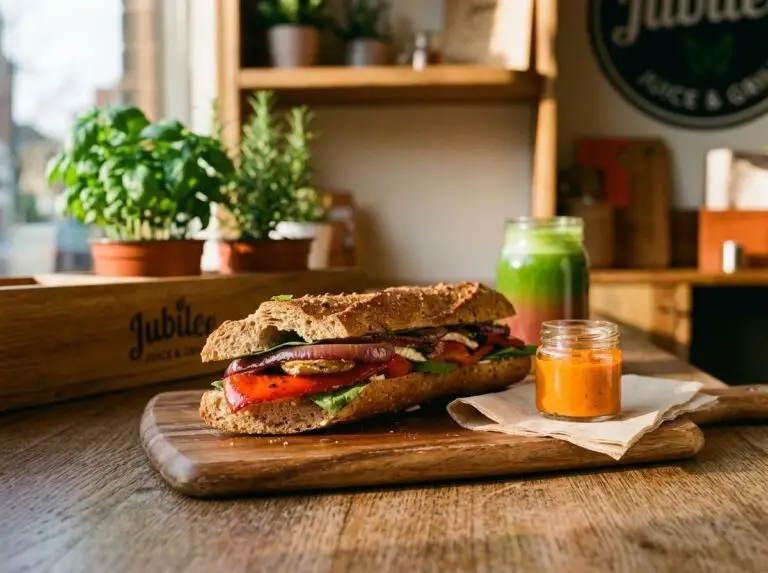
For decades, fast food carried a reputation that wasn’t exactly positive.
When most people heard the words “fast food,” they immediately thought about greasy burgers, oversized portions, sugary drinks, and meals packed with calories but lacking nutritional value.
The industry became associated with convenience rather than health.
But consumer expectations have changed dramatically.
Today’s customers want more than speed.
They want quality.
They want transparency.
They want fresh ingredients.
And perhaps most importantly, they want meals that support their health goals without requiring them to spend hours preparing food at home.
This shift has created an entirely new category within the restaurant industry: healthy fast food.
Across cities like Chicago, New York, Los Angeles, and countless others, consumers are actively searching for restaurants that offer the convenience of traditional fast food while delivering better ingredients, balanced nutrition, and meals that leave them feeling energized rather than sluggish.
Healthy fast food is no longer a niche trend.
It has become one of the fastest-growing segments of the food industry.
From fresh juices and fruit smoothies to grilled chicken, nutrient-rich salads, protein bowls, and made-to-order meals, customers now have more healthy options than ever before.
Understanding what healthy fast food actually means can help consumers make better dining decisions while still enjoying the convenience modern lifestyles often require.
What Is Healthy Fast Food?
Healthy fast food refers to meals that can be prepared and served quickly while prioritizing nutritional quality, fresh ingredients, and balanced meal composition.
Unlike traditional fast food, which often relies heavily on processed ingredients and deep frying, healthy fast food focuses on foods that provide genuine nutritional value.
Common characteristics include:
• Fresh ingredients
• Lean proteins
• Whole foods
• Grilled cooking methods
• Fresh fruits and vegetables
• Reduced processing
• Balanced macronutrients
• Made-to-order preparation
The goal is not necessarily to create low-calorie meals.
Instead, the focus is on providing food that supports overall wellness while maintaining convenience.
Why Consumers Are Choosing Healthy Fast Food
Several factors are driving demand for healthier dining options.
Busy Lifestyles
Modern professionals often have limited time for meal preparation.
Long workdays, commuting, family responsibilities, and packed schedules make convenience important.
However, consumers increasingly refuse to sacrifice nutrition simply because they are short on time.
Healthy fast food bridges that gap.
Greater Health Awareness
People today understand more about nutrition than previous generations.
Consumers actively research:
• Ingredients
• Nutritional content
• Food quality
• Cooking methods
• Health impacts
This awareness has influenced dining decisions significantly.
Increased Focus On Wellness
Wellness is no longer limited to fitness enthusiasts.
Many people now view food as an important part of overall health.
Meals are increasingly chosen based on how they affect:
• Energy levels
• Productivity
• Mood
• Recovery
• Long-term health
This mindset has fueled demand for healthier restaurant options.
The Problem With Traditional Fast Food
To understand healthy fast food, it helps to understand why traditional fast food often receives criticism.
Many conventional fast-food meals contain high amounts of:
• Added sugars
• Saturated fats
• Sodium
• Refined carbohydrates
• Highly processed ingredients
These foods may provide immediate satisfaction but often fail to deliver lasting energy or nutritional balance.
Many people experience:
• Energy crashes
• Hunger shortly after eating
• Reduced focus
• Feelings of sluggishness
As consumers became more aware of these effects, demand for alternatives increased.
What Makes Fast Food Healthy?
Not every restaurant claiming to be healthy actually meets that standard.
Several factors typically distinguish genuinely healthier options.
Fresh Ingredients
Fresh ingredients often contain higher levels of nutrients compared to heavily processed alternatives.
Examples include:
• Fresh vegetables
• Fresh fruit
• Fresh herbs
• Freshly prepared proteins
• Fresh juices
Restaurants that prioritize freshness typically deliver better nutritional value.
Lean Proteins
Protein plays an essential role in maintaining energy and supporting muscle health.
Healthy fast-food menus often feature:
• Grilled chicken
• Turkey
• Fish
• Plant-based proteins
• Eggs
• Legumes
These proteins provide satiety while supporting balanced nutrition.
Grilled Instead Of Fried
Cooking methods matter.
Grilling often requires less added fat than deep frying.
Grilled foods frequently retain flavor while reducing unnecessary calories.
This is one reason grilled chicken sandwiches and grilled protein bowls have become popular healthy lunch choices.
Balanced Meals
Healthy meals generally include a combination of:
• Protein
• Fiber
• Healthy fats
• Complex carbohydrates
This balance helps maintain energy levels and supports overall health.
Why Fresh Juice Has Become So Popular
Fresh juice represents one of the most recognizable categories within healthy fast food.
Consumers increasingly choose fresh juice because it provides:
• Vitamins
• Minerals
• Antioxidants
• Hydration
• Natural flavor
Unlike many packaged beverages, freshly squeezed juices often contain fewer additives and preservatives.
Popular juice ingredients include:
• Oranges
• Carrots
• Apples
• Celery
• Ginger
• Beets
• Spinach
These ingredients offer nutritional benefits while creating refreshing beverages suitable for busy lifestyles.
The Growing Demand For Fruit Smoothies
Fruit smoothies have also become a cornerstone of healthy dining.
When prepared with quality ingredients, smoothies can provide:
• Natural carbohydrates
• Fiber
• Vitamins
• Protein
• Healthy fats
Many consumers use smoothies as:
• Breakfast replacements
• Post-workout meals
• Midday snacks
• Healthy dessert alternatives
The ability to customize ingredients further increases their popularity.
Customers can tailor smoothies to meet specific dietary preferences and nutritional goals.
Why Office Workers Are Driving The Healthy Lunch Movement
One of the strongest drivers behind healthy fast food is the modern workforce.
Office workers often need meals that:
• Fit within limited lunch breaks
• Support productivity
• Provide lasting energy
• Avoid afternoon fatigue
Heavy meals frequently lead to sluggishness during the workday.
As a result, many professionals now seek lighter, nutrient-dense options.
Popular choices include:
• Grilled chicken salads
• Protein bowls
• Smoothies
• Fresh juices
• Wraps
• Vegetable-based meals
These options support concentration and sustained energy throughout the afternoon.
Healthy Fast Food And Productivity
Nutrition directly influences workplace performance.
Meals rich in processed carbohydrates and sugars can cause rapid spikes and crashes in blood sugar levels.
This often contributes to:
• Reduced focus
• Lower productivity
• Afternoon fatigue
• Decreased mental clarity
By contrast, balanced meals containing protein, fiber, and healthy fats help stabilize energy levels.
This connection between nutrition and performance explains why many professionals increasingly prioritize healthy lunch options.
Why Made-To-Order Meals Matter
One hallmark of healthy fast food is made-to-order preparation.
Rather than sitting under heat lamps for extended periods, ingredients are assembled fresh for each customer.
Benefits include:
• Better taste
• Improved texture
• Greater customization
• Fresher ingredients
• Enhanced customer satisfaction
Consumers appreciate the ability to personalize meals according to:
• Dietary restrictions
• Allergies
• Calorie goals
• Taste preferences
This flexibility has become a major advantage for restaurants focusing on healthier dining experiences.
The Future Of Healthy Fast Food
Consumer demand shows no signs of slowing.
Restaurants continue expanding healthy menu options because customers increasingly expect:
• Transparency
• Freshness
• Customization
• Nutritional value
• Convenience
Healthy fast food is no longer viewed as an alternative category.
For many consumers, it is becoming the preferred way to dine.
As awareness around nutrition continues growing, restaurants that prioritize quality ingredients and healthier preparation methods will likely remain at the forefront of industry trends.
Why Grilled Food Is Often A Healthier Choice
One of the biggest differences between healthy fast food and traditional fast food is the cooking method.
While many conventional fast-food meals rely heavily on deep frying, healthy restaurants frequently emphasize grilling.
This distinction can have a significant impact on nutritional quality.
Grilling allows food to retain its natural flavors without requiring large amounts of added oils or fats.
Popular grilled menu items include:
• Grilled chicken sandwiches
• Grilled vegetable wraps
• Char-broiled burgers
• Grilled seafood
• Protein bowls
• Fresh vegetable platters
Many consumers appreciate grilled foods because they provide satisfying flavor while supporting healthier eating habits.
For busy professionals and families alike, grilled meals offer a practical balance between convenience and nutrition.
The Benefits Of Fresh Ingredients
Fresh ingredients have become one of the defining characteristics of modern healthy dining.
Consumers increasingly pay attention to ingredient quality when choosing where to eat.
Fresh ingredients often provide:
• Better flavor
• Improved texture
• Higher nutrient retention
• Greater transparency
• Enhanced meal quality
Restaurants that prepare meals using fresh produce, lean proteins, and quality ingredients often create dining experiences that feel noticeably different from heavily processed alternatives.
Fresh vegetables, fruits, herbs, and proteins contribute both nutritional value and visual appeal.
Customers can often see and taste the difference immediately.
Why Customization Matters To Today’s Consumers
Modern diners no longer want one-size-fits-all meals.
People have unique goals, preferences, and dietary requirements.
Some customers may prefer:
• High-protein meals
• Vegetarian options
• Lower-carb choices
• Dairy-free ingredients
• Gluten-conscious selections
Healthy fast-food restaurants often allow guests to customize meals according to their needs.
This flexibility helps create a more personalized experience.
Customers appreciate having control over ingredients and portion choices.
Customization also increases the likelihood that people can maintain healthier eating habits while dining away from home.
How Healthy Eating Supports Long-Term Wellness
Healthy fast food is not simply about calories.
It is about making food choices that contribute to overall wellness.
Balanced meals can support:
• Consistent energy
• Improved focus
• Better digestion
• Physical performance
• Long-term health goals
When healthy options are convenient and accessible, consumers are more likely to make positive dietary choices consistently.
This consistency often has a greater impact than occasional strict dieting.
Small improvements repeated daily can produce meaningful long-term results.
Why Families Are Choosing Healthier Restaurants
Families today are increasingly conscious of food quality.
Parents often want restaurants that offer options appealing to both adults and children.
Healthy restaurants frequently provide:
• Fresh ingredients
• Balanced meal options
• Grilled proteins
• Fruit-based beverages
• Vegetable-focused dishes
• Customizable meals
These options allow families to enjoy dining out without feeling as though they must compromise on nutrition.
Family-friendly healthy restaurants often become regular destinations because they successfully combine convenience, flavor, and quality.
The Rise Of Local And Family-Owned Restaurants
Many consumers are also showing increased interest in supporting local businesses.
Family-owned restaurants often bring unique advantages.
These may include:
• Personalized service
• Community involvement
• Consistent quality
• Strong customer relationships
• Attention to detail
Guests frequently appreciate knowing that their dining dollars support local entrepreneurs and neighborhood businesses.
Local restaurants often become community gathering places where customers return repeatedly because of trust and familiarity.
Healthy Eating Does Not Mean Sacrificing Flavor
One of the biggest misconceptions about healthy food is that it lacks flavor.
In reality, many healthy meals are packed with vibrant ingredients and bold tastes.
Fresh herbs, grilled proteins, fruits, vegetables, and house-made recipes often create memorable dining experiences.
Popular flavor combinations include:
• Citrus and herbs
• Fresh fruit blends
• Grilled vegetables
• Lean proteins
• Natural seasonings
Consumers increasingly recognize that nutritious food can also be enjoyable.
This realization has played a major role in the growth of healthy dining concepts across the country.
Healthy Fast Food And The Future Of Dining
The restaurant industry continues evolving.
Consumers are becoming more informed and more intentional about food choices.
Future dining trends are likely to include:
• Greater ingredient transparency
• More plant-based options
• Increased customization
• Expanded fresh beverage offerings
• Continued focus on wellness
Restaurants that adapt to these preferences will likely continue growing as customer expectations evolve.
Healthy fast food is no longer simply a trend.
It represents a broader shift toward more thoughtful eating habits.
How To Make Better Fast Food Choices
When selecting a meal, consumers can often improve nutritional quality by focusing on a few simple principles.
Choose Lean Proteins
Examples include:
• Grilled chicken
• Turkey
• Fish
• Plant-based proteins
Add Fruits And Vegetables
Fresh produce adds nutrients, fiber, and flavor.
Prioritize Fresh Beverages
Fresh juices and smoothies often provide alternatives to highly processed sugary drinks.
Look For Balanced Meals
Meals containing protein, fiber, healthy fats, and complex carbohydrates tend to support sustained energy.
Pay Attention To Preparation Methods
Grilled, baked, and freshly prepared items are often preferable to heavily fried options.
These small decisions can make a significant difference over time.
Frequently Asked Questions
What is healthy fast food?
Healthy fast food refers to meals that are prepared quickly while prioritizing fresh ingredients, balanced nutrition, and healthier cooking methods.
Can fast food actually be healthy?
Yes. Many restaurants now offer healthier alternatives that include fresh ingredients, lean proteins, fruits, vegetables, and made-to-order meals.
Why is grilled food considered healthier?
Grilling often requires less added fat than deep frying while preserving flavor and nutritional quality.
Are fresh fruit smoothies healthy?
When prepared with quality ingredients, smoothies can provide vitamins, minerals, fiber, and natural energy.
What are the benefits of fresh squeezed juice?
Fresh juice can provide hydration, vitamins, antioxidants, and natural flavor without many of the additives found in packaged beverages.
Why do office workers prefer healthy lunches?
Balanced meals help maintain energy, focus, and productivity throughout the workday.
Are family-owned restaurants better?
Many consumers value family-owned restaurants because of personalized service, strong community ties, and attention to quality.
What foods help avoid an afternoon energy crash?
Meals containing lean protein, fiber, healthy fats, and complex carbohydrates often provide more stable energy levels.
Why are made-to-order meals popular?
Made-to-order meals offer freshness, customization, and improved ingredient quality.
Is healthy fast food becoming more popular?
Yes. Consumer demand for fresh, convenient, and nutritious dining options continues growing across the country.
Conclusion
Healthy fast food has transformed the way many people think about dining on the go.
Consumers no longer have to choose between convenience and nutrition.
Today, fresh ingredients, grilled proteins, made-to-order meals, smoothies, and fresh juices provide practical alternatives to traditional fast-food options.
Whether someone is a busy professional looking for a productive lunch, a family seeking healthier dining choices, or simply a customer who values quality ingredients, healthy fast food offers solutions that fit modern lifestyles.
As awareness around wellness continues to grow, restaurants that prioritize freshness, transparency, and balanced nutrition will continue playing an increasingly important role in the future of dining.
The demand for healthier options is not slowing down.
It is becoming the new standard.