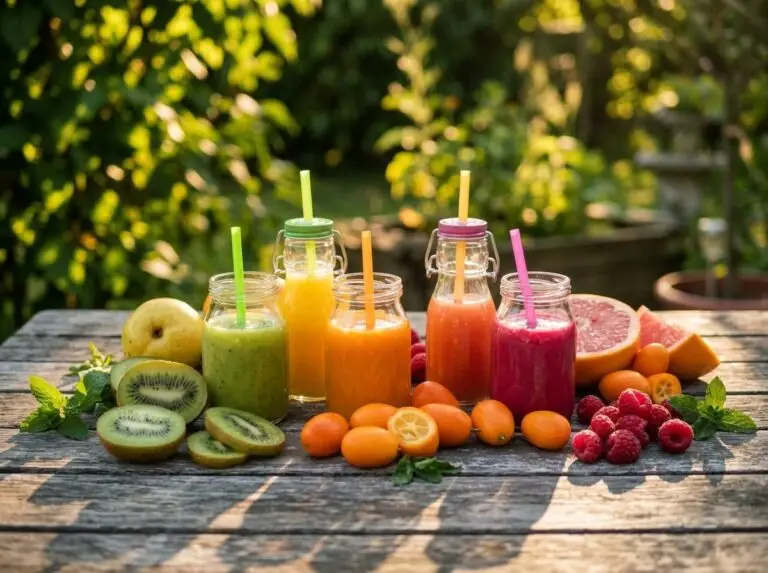
Smoothies have become one of the most popular health-focused food trends of the past decade.
Walk into almost any health-conscious restaurant, fitness center, or café and you will find smoothies everywhere.
Some people drink them for breakfast.
Others use them after workouts.
Many busy professionals rely on them during lunch breaks.
And countless consumers view smoothies as a convenient way to support healthier eating habits.
But there is one question that continues to generate debate.
Can a smoothie actually replace a meal?
The answer is not as simple as many people think.
Some smoothies can absolutely function as a complete meal.
Others are little more than sugary beverages disguised as healthy choices.
The difference comes down to ingredients, nutritional balance, and overall composition.
Understanding that difference can help people make smarter decisions about how smoothies fit into their daily routine.
Why Smoothies Have Become So Popular
Modern lifestyles move quickly.
People are balancing work, family responsibilities, fitness goals, commuting, and social commitments.
Many individuals simply do not have time to prepare elaborate meals every day.
This is where smoothies offer a practical advantage.
They are:
• Convenient
• Portable
• Customizable
• Quick to consume
• Easy to prepare
For busy professionals especially, smoothies provide an efficient way to consume nutrients without sacrificing significant time.
Instead of skipping meals entirely, many people choose smoothies as a solution that fits into demanding schedules.
However, convenience alone does not automatically make a smoothie healthy.
Not All Smoothies Are Created Equal
One of the biggest misconceptions about smoothies is that every smoothie is healthy.
This simply is not true.
A smoothie made entirely from fruit juice, flavored syrups, frozen yogurt, and sweetened ingredients may contain large amounts of sugar while offering very little nutritional balance.
In some cases, these beverages contain calorie levels similar to milkshakes.
The word “smoothie” itself does not guarantee nutritional value.
The ingredients determine whether a smoothie supports health goals or works against them.
This distinction is extremely important because many consumers mistakenly assume that all smoothies contribute equally to healthy eating.
What Makes A Smoothie A True Meal Replacement?
A true meal replacement smoothie should provide many of the same nutritional benefits that a balanced meal would offer.
A complete meal typically contains:
• Protein
• Healthy fats
• Fiber
• Carbohydrates
• Vitamins
• Minerals
The same principle applies to smoothies.
When one or more of these components are missing, the smoothie often becomes less satisfying and less effective as a meal replacement.
The goal is not simply drinking calories.
The goal is creating balanced nutrition.
Protein Is Essential
Protein is often the most important ingredient in a meal replacement smoothie.
Without sufficient protein, people often feel hungry again shortly after finishing their drink.
Protein supports:
• Muscle maintenance
• Recovery
• Satiety
• Energy balance
Common smoothie protein sources include:
• Greek yogurt
• Protein powder
• Nut butters
• Milk
• Plant-based protein blends
Adding protein helps transform a simple beverage into a more complete nutritional option.
Fiber Helps Control Hunger
Fiber plays a major role in helping people stay full.
It slows digestion.
It supports digestive health.
And it contributes to more stable energy levels throughout the day.
Good smoothie sources of fiber include:
• Berries
• Bananas
• Spinach
• Kale
• Oats
• Chia seeds
• Flax seeds
Without fiber, even a high-calorie smoothie may leave people feeling hungry surprisingly quickly.
Healthy Fats Create Better Balance
Many people avoid dietary fats.
However, healthy fats are an important part of balanced nutrition.
Healthy fats help:
• Support brain function
• Improve satiety
• Slow digestion
• Support nutrient absorption
Popular smoothie additions include:
• Avocado
• Almond butter
• Peanut butter
• Chia seeds
• Flax seeds
These ingredients help create a more complete and satisfying meal.
Why Fruit Alone Is Usually Not Enough
Fruit provides valuable nutrients.
There is no question about that.
Many fruits contain:
• Vitamins
• Minerals
• Antioxidants
• Fiber
However, relying exclusively on fruit often creates nutritional imbalances.
A smoothie made entirely from fruit may contain large amounts of natural sugar while lacking sufficient protein and healthy fats.
This can result in:
• Rapid digestion
• Blood sugar fluctuations
• Short-lived fullness
• Increased hunger
Fruit works best when combined with additional ingredients that create a more balanced nutritional profile.
The Difference Between Fresh Smoothies And Sugary Drinks
This is where many consumers become confused.
A fresh smoothie and a sugary beverage may look similar.
But nutritionally they are often very different.
Fresh smoothies made with whole ingredients provide nutritional value through:
• Real fruit
• Vegetables
• Fiber
• Protein
• Healthy fats
Sugary beverages often provide:
• Added sugars
• Artificial ingredients
• Empty calories
• Limited nutritional benefits
The body responds differently as well.
Fresh smoothies tend to promote greater satiety.
Sugary drinks often create temporary energy spikes followed by crashes.
This is one reason health-conscious consumers increasingly choose fresh smoothies over traditional sweetened beverages.
Can Smoothies Support Weight Management?
Many people interested in healthy eating also have questions about weight management.
Smoothies can absolutely play a role.
However, success depends on ingredient quality and portion awareness.
A balanced smoothie containing protein, fiber, and healthy fats often helps people feel full for longer periods.
This may reduce unnecessary snacking throughout the day.
At the same time, oversized smoothies loaded with sweeteners can quickly become calorie-dense.
The objective should not be consuming the largest smoothie possible.
The objective should be consuming a smoothie that provides balanced nutrition and supports overall wellness goals.
Why More Professionals Are Choosing Smoothies For Lunch
Lunch has become one of the most challenging meals for many working adults.
Schedules are busy.
Time is limited.
Convenience matters.
A properly balanced smoothie can offer:
• Speed
• Portability
• Nutrition
• Convenience
• Consistent energy
This makes smoothies particularly attractive for professionals who need a practical meal option during demanding workdays.
For many people, the right smoothie provides a way to stay nourished without sacrificing productivity.
The Growing Demand For Healthier Beverage Choices
Consumer preferences continue changing.
People are reading labels.
They are paying attention to ingredients.
And they are becoming more selective about what they consume.
This trend has increased demand for beverages that provide genuine nutritional value rather than empty calories.
Fresh smoothies sit at the center of this shift.
They offer an opportunity to combine convenience with nutrition in a format that fits modern lifestyles.
The key is understanding what separates a true meal replacement smoothie from an ordinary sugary drink.
The Best Ingredients For A Healthy Meal Replacement Smoothie
If a smoothie is going to replace a meal, the ingredients matter.
A lot.
Many people focus only on taste.
Others focus only on calories.
But the best meal replacement smoothies focus on balance.
A well-constructed smoothie should include several key nutritional components working together.
A Quality Protein Source
Protein helps support satiety and muscle maintenance.
Without enough protein, many people feel hungry shortly after drinking a smoothie.
Common protein-rich additions include:
• Greek yogurt
• Whey protein
• Plant-based protein
• Almond butter
• Peanut butter
• Milk or dairy alternatives
Protein helps transform a snack-like smoothie into something that can function more like a complete meal.
Fruits For Natural Sweetness
Fruit provides natural sweetness while contributing important nutrients.
Popular smoothie fruits include:
• Bananas
• Strawberries
• Blueberries
• Mango
• Pineapple
• Mixed berries
These ingredients add flavor while supplying vitamins, minerals, and antioxidants.
Vegetables For Extra Nutrition
One of the easiest ways to improve nutritional quality is by adding vegetables.
Many vegetables blend surprisingly well into smoothies.
Popular choices include:
• Spinach
• Kale
• Cucumber
• Celery
• Avocado
Many people cannot even taste certain vegetables once blended with fruit.
Yet these ingredients significantly improve nutritional value.
Fiber-Rich Additions
Fiber helps support digestion and creates longer-lasting fullness.
Popular additions include:
• Oats
• Chia seeds
• Flax seeds
• Berries
• Leafy greens
These ingredients help create a smoothie that feels more satisfying and complete.
Are Smoothies Good After A Workout?
One of the most common times people choose smoothies is immediately after exercise.
There is a good reason for this.
Following physical activity, the body requires nutrients to support recovery.
Most fitness professionals recommend focusing on:
• Protein
• Carbohydrates
• Hydration
Smoothies provide a convenient way to combine all three.
A post-workout smoothie may help support:
• Muscle recovery
• Energy replenishment
• Hydration
• Overall recovery
This convenience explains why smoothies remain a favorite among athletes, gym members, runners, and active professionals.
Are Smoothies Better For Breakfast Or Lunch?
The answer depends entirely on the individual.
Some people prefer smoothies in the morning because they are quick and easy.
Others prefer them during lunch because they fit into busy work schedules.
Breakfast Smoothies
Breakfast smoothies can provide:
• Fast preparation
• Convenient nutrition
• Morning energy
• Improved consistency
Many people who skip breakfast find smoothies easier to maintain than traditional meals.
Lunch Smoothies
Lunch smoothies can help busy professionals avoid fast-food choices that may be high in calories and low in nutritional value.
When properly balanced, lunch smoothies can provide sustained energy throughout the afternoon.
The most important factor is not whether the smoothie is consumed at breakfast or lunch.
The most important factor is whether it provides balanced nutrition.
Common Smoothie Mistakes People Make
While smoothies can be healthy, many people accidentally turn them into high-calorie desserts.
Some common mistakes include:
Too Much Added Sugar
Sweetened syrups, flavored yogurts, and sugary juices can dramatically increase sugar content.
Not Enough Protein
Without protein, smoothies often fail to keep people full.
Ignoring Portion Size
Even healthy ingredients contain calories.
Oversized smoothies may contain far more calories than people realize.
Skipping Fiber
Fiber plays a critical role in satiety and digestive health.
Without it, smoothies may leave people hungry soon afterward.
Treating Every Smoothie As Healthy
Not every smoothie supports health goals.
Ingredient quality always matters.
Why Smoothies Continue Growing In Popularity
Consumers today want convenience.
But they also want nutrition.
This combination explains why smoothies continue growing in popularity across the United States.
People appreciate that smoothies can be:
• Fast
• Portable
• Flexible
• Nutrient-rich
• Easy to customize
For busy professionals, students, parents, and fitness enthusiasts, smoothies provide a practical solution that fits modern lifestyles.
As awareness around nutrition continues increasing, demand for high-quality smoothies is expected to keep growing.
The Future Of Healthy Convenience
The food industry continues evolving.
Consumers no longer want to choose between convenience and nutrition.
They want both.
This shift is changing how restaurants, cafés, and fast-casual concepts approach menu development.
Fresh ingredients.
Real nutrition.
Balanced meals.
Transparent ingredients.
These are becoming expectations rather than luxuries.
Smoothies fit perfectly into this movement because they offer an opportunity to combine convenience, flavor, and nutrition in a single product.
For many people, that combination is exactly what modern eating should look like.
Frequently Asked Questions
Can a smoothie replace a meal?
Yes. A smoothie can replace a meal when it contains balanced amounts of protein, fiber, healthy fats, vitamins, and carbohydrates.
What makes a smoothie healthy?
Healthy smoothies typically include whole-food ingredients such as fruit, vegetables, protein sources, and fiber-rich additions.
Are smoothies good for weight management?
Balanced smoothies can support weight management by promoting fullness and helping reduce unnecessary snacking.
Are smoothies better than sugary drinks?
In most cases, yes. Fresh smoothies often provide vitamins, minerals, fiber, and protein, while sugary drinks usually contain empty calories and added sugars.
What should be included in a meal replacement smoothie?
A balanced meal replacement smoothie should include protein, healthy fats, fiber, fruits, and nutrient-rich ingredients.
Are smoothies good after workouts?
Yes. Many people use smoothies after exercise because they can provide protein, carbohydrates, and hydration in a convenient format.
Can smoothies help busy professionals eat healthier?
Absolutely. Smoothies provide a practical option for individuals who need convenient nutrition during demanding workdays.
Are fruit-only smoothies healthy?
Fruit provides important nutrients, but fruit-only smoothies may lack protein and healthy fats needed for balanced nutrition.
Conclusion
Smoothies can absolutely be a healthy meal replacement.
The key is understanding that not all smoothies are created equally.
A well-balanced smoothie contains more than fruit alone.
It combines protein, fiber, healthy fats, and nutrient-rich ingredients that work together to support energy, satiety, and overall wellness.
For busy professionals, active individuals, and anyone seeking convenient nutrition, smoothies offer a practical way to enjoy balanced meals without sacrificing valuable time.
As consumers continue prioritizing health-conscious choices, smoothies remain one of the most versatile and accessible options available.
When built correctly, they are much more than a beverage.
They become a complete nutritional solution.
About Jubilee Juice & Grill
Jubilee Juice & Grill in Chicago’s West Loop is committed to providing fresh smoothies, healthy meals, grilled favorites, wraps, salads, and nutritious options designed for today’s active lifestyles.
By focusing on fresh ingredients, balanced nutrition, and convenient service, Jubilee Juice & Grill helps guests enjoy meals that support both flavor and wellness.